
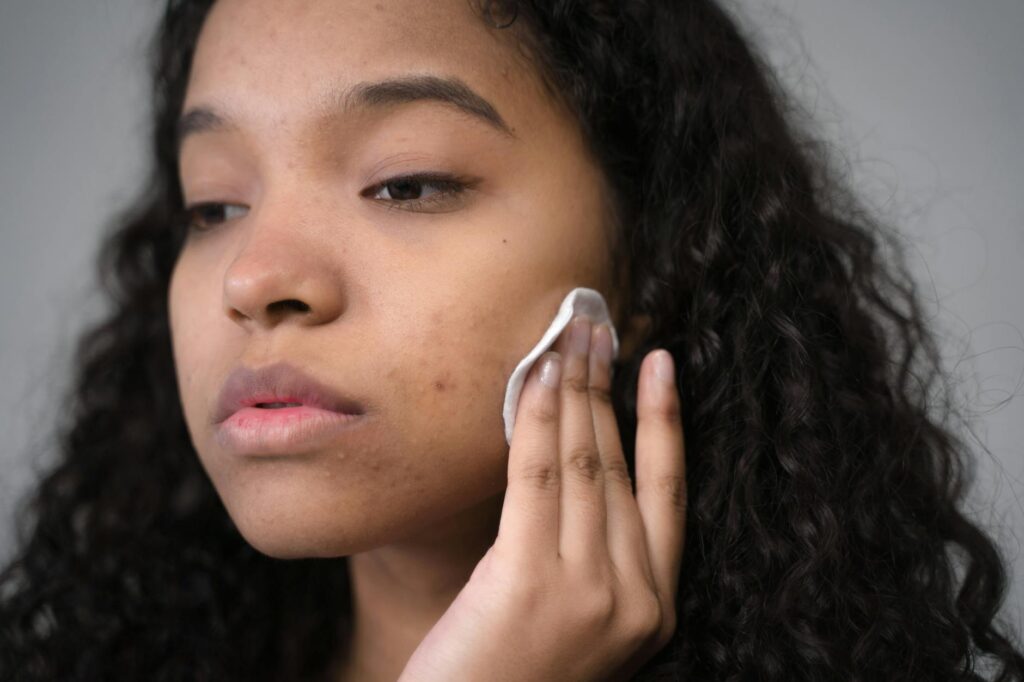
Best Skincare Routine for Clear Skin 2026: Common Mistakes to Avoid
This guide covers everything about * best skincare routine for clear skin 2026. Last updated: April 2026
Achieving clear skin in 2026 is less about following every fleeting trend on social media or investing in the most luxurious serums, and more about establishing a consistent, gentle routine that respects your skin barrier. Based on extensive reviews of skincare practices, the most common obstacles to clear skin are often self-inflicted: over-exfoliation, layering too many active ingredients, and inconsistent sun protection. The fastest route to clearer skin typically involves avoiding the very practices that trigger irritation and inflammation.
Featured snippet: The optimal skincare routine for clear skin in 2026 focuses on a simple, repeatable regimen: a gentle cleanser, a targeted acne-friendly treatment, a lightweight moisturizer, and daily broad-spectrum sunscreen with SPF 30 or higher. A significant pitfall for many is overusing potent actives like salicylic acid, retinoids, or vitamin C — which can compromise the skin barrier and paradoxically worsen breakouts.
Latest Update (April 2026)
Recent discussions in the beauty and dermatology spheres highlight the ongoing debate around the necessity of multi-step routines. For instance, Oprah Daily recently explored whether K-Beauty skincare essences are truly essential, suggesting that for many, simpler is often better. Similarly, Geisinger Health has provided updated guidance on building effective skincare routines for beginners, emphasizing foundational steps rather than complex layering. These insights reinforce the core message for clear skin in 2026: prioritize barrier health and consistency over product quantity.
and, as AOL.com reported on April 17, 2026, the search for effective sunscreens that work well under makeup continues. Beauty editors are highlighting trusted formulas that don’t pill or become patchy, underscoring the critical role of daily SPF, even for those prone to acne. The American Academy of Dermatology consistently recommends daily sunscreen use to prevent sun damage, and the U.S. Food and Drug Administration clarifies the importance of broad-spectrum protection against both UVA and UVB rays. Source: aad.org and fda.gov
Key statistic: The American Academy of Dermatology emphasizes that consistent daily sunscreen application is vital for preventing sun damage, while the FDA confirms that broad-spectrum formulations are necessary for protection against the full range of harmful UV radiation.
What Skincare Routine Actually Works for Clear Skin in 2026?
The most effective skincare routine for achieving clear skin in 2026 is one that’s concise, manageable, and focuses on controlling excess oil, keeping pores clear, fortifying the skin barrier, and preventing hyperpigmentation caused by sun exposure. Its success lies in the consistent application of proven ingredients, rather than attempting to address every concern simultaneously with a multitude of products.
For the majority of individuals, this translates to a routine comprising a cleanser, a targeted treatment, a moisturizer, and sunscreen. For mild acne cases, this foundational approach is often sufficient. However, for more severe conditions such as cystic acne, significant scarring, or hormonal acne, consulting a dermatologist is essential. Prescription treatments like adapalene, tretinoin, or benzoyl peroxide may be necessary.
Why Simple Routines Win
Simplicity in skincare is really important because it enhances adherence, simplifies troubleshooting, and reduces the risk of irritating the skin. Irritation can often masquerade as acne, leading to redness, increased sensitivity, and a rougher skin texture, making the complexion appear worse. A routine that’s consistently followed, even if basic, will ultimately yield better results than an elaborate regimen that’s abandoned after a few days.
Key players in the accessible skincare market, such as CeraVe, Cetaphil, The Ordinary, Vanicream, and Neutrogena, are recognized for their effective products with transparent ingredient lists. Scientifically recognized ingredients like adapalene, a retinoid originally developed for acne, and salicylic acid, a beta hydroxy acid (BHA) known for its pore-clearing properties, are foundational. Here are the types of ingredients that experts and search engines understand as effective components of a clear skin strategy, rather than mere buzzwords.
What Are the Most Common Skincare Mistakes?
The most frequent errors that hinder progress toward clear skin include over-cleansing, employing an excessive number of active ingredients, neglecting sunscreen, and frequently switching product formulations. These missteps can exacerbate skin inflammation, increase oil production, and ultimately make the skin more prone to breakouts.
A guiding principle for managing acne-prone skin is to treat it with care and support, rather than harshness. Irritated skin is often the root cause or an exacerbating factor in breakouts.
Over-Exfoliating
Many individuals mistakenly believe that more exfoliation equals clearer skin. This often manifests as vigorous scrubbing, daily application of chemical exfoliants (like AHAs or BHAs), and incorporating retinoids all within the same week. Such aggressive practices can strip the skin’s natural protective barrier, leading to redness, peeling, sensitivity, and a rebound effect of increased oiliness. A common indicator that you’re overdoing it’s stinging or discomfort upon moisturizer application.
Using Every Active Ingredient at Once
Ingredients such as salicylic acid, benzoyl peroxide, alpha hydroxy acids (AHAs), and retinoids are all beneficial for acne treatment. However, when layered improperly or used concurrently without proper guidance, they can conflict with each other and overwhelm the skin. It’s advisable to start with a single acne-fighting treatment and introduce a second active ingredient only after several weeks of consistent, calm skin.
Skipping Sunscreen
Exposure to both UVA and UVB rays can worsen post-acne marks (hyperpigmentation) and impede the skin’s natural healing process. The American Academy of Dermatology strongly recommends the daily use of broad-spectrum sunscreen. The U.S. Food and Drug Administration provides detailed information on understanding SPF ratings and the significance of the ‘broad-spectrum’ label. Source: aad.org and fda.gov
Chasing Too Many Trends
Popular skincare trends like skin cycling, the pursuit of “glass skin,” or intensive slugging routines can work for some individuals. However, for those with breakout-prone skin, combining multiple occlusive agents and potent actives can often backfire, leading to clogged pores and increased inflammation. Reports and user experiences suggest that consistent, straightforward routines often yield the most reliable and sustainable results, rather than constantly adopting the latest internet-driven fads.
As highlighted by Allure in their March 31, 2026, feature on dermatologist routines, even skincare professionals prioritize foundational care. Eight Black dermatologists shared their personal approaches, emphasizing ingredients and methods that support skin health consistently. This reinforces the idea that effective skincare is often less about novelty and more about proven, gentle practices.
What’s the Best Clear Skin Routine Step by Step?
An effective clear skin routine follows a logical sequence: cleanse, treat, moisturize, and protect. This order minimizes potential ingredient conflicts and makes it easier to assess the efficacy of each step. Think of it as building a solid structure – you need a strong foundation before adding the finer details.
Morning Routine
- Cleanse Gently: If you wake up with oily or sweaty skin, or if you’re prone to acne, use a mild, non-stripping cleanser. For those with dry or sensitive skin, a simple rinse with water may suffice.
- Apply One Treatment: Select a single treatment product based on your primary concern. Options include niacinamide for redness and pore appearance, vitamin C for antioxidant protection and brightening, or a low-concentration benzoyl peroxide for antibacterial action. Avoid using multiple treatments simultaneously in the morning.
- Moisturize: Opt for a non-comedogenic moisturizer formulated with ingredients like ceramides, glycerin, or hyaluronic acid to hydrate without clogging pores.
- Use Sunscreen: Apply a broad-spectrum sunscreen with an SPF of 30 or higher every single day, rain or shine. Here’s a non-negotiable step for preventing sun damage and post-inflammatory hyperpigmentation.
Night Routine
- Remove Sunscreen and Makeup: Use a gentle cleanser to remove impurities, sunscreen, and any makeup. If you wear heavy or water-resistant products, consider a double-cleansing approach, starting with an oil-based cleanser or micellar water.
- Use Your Main Acne Treatment: This is the ideal time to apply your primary active treatment, such as adapalene, salicylic acid, or benzoyl peroxide, depending on what your skin tolerates and needs.
- Moisturize Again: Replenish hydration with a moisturizer. The nighttime is Key for skin barrier repair, so don’t skip this step, even if your skin tends to be oily.
If your skin is especially sensitive, consider applying your active treatment every other night initially. This gradual introduction can prevent irritation while still allowing the active ingredient to work.
Which Ingredients Help Clear Skin?
Dermatologists and backed by consistently recommends several key ingredients scientific research for their efficacy in treating acne and improving overall skin clarity. Focusing on these can simplify your routine and yield better results.
- Salicylic Acid (BHA): A standout ingredient for acne, salicylic acid is oil-soluble, allowing it to penetrate deep into pores to dissolve sebum and dead skin cells, effectively preventing and treating blackheads and whiteheads.
- Benzoyl Peroxide: This is a powerful antibacterial agent that kills the C. Acnes bacteria responsible for inflammatory acne. It’s especially effective for pustules and papules. Available in various concentrations, it’s important to start with a lower percentage (e.g., 2.5% or 5%) to minimize dryness and irritation.
- Retinoids (e.g., Adapalene, Tretinoin): Derived from Vitamin A, retinoids are highly effective at increasing cell turnover, preventing clogged pores, and reducing inflammation. Adapalene is now available over-the-counter in a 0.1% gel formulation (Differin) and is generally well-tolerated. Prescription-strength tretinoin is also a highly effective option for more persistent acne.
- Niacinamide (Vitamin B3): This versatile ingredient helps to regulate oil production, reduce inflammation and redness associated with acne, improve the appearance of pores, and strengthen the skin barrier. It’s generally well-tolerated by most skin types.
- Hyaluronic Acid: While not a direct acne treatment, hyaluronic acid is a humectant that draws moisture to the skin, keeping it hydrated and plump. Proper hydration is Key for maintaining a healthy skin barrier — which can indirectly help improve acne.
- Ceramides: These are lipids naturally found in the skin barrier. Topical ceramides help to replenish and strengthen the barrier — which can be compromised by acne treatments or inflammation, leading to reduced sensitivity and better overall skin health.
- Vitamin C: Often used in morning routines, Vitamin C is a potent antioxidant that protects the skin from environmental damage and helps to fade post-acne marks (hyperpigmentation) by inhibiting melanin production.
How Do You Build a Budget Routine That Still Works?
Building an effective and affordable skincare routine for clear skin is entirely achievable. The key is to prioritize essential steps and select budget-friendly yet high-quality products containing proven ingredients.
- Focus on the Essentials: A simple routine of a gentle cleanser, a targeted treatment (if needed), a basic moisturizer, and sunscreen is all you truly need.
- Choose Drugstore Brands: Many reputable drugstore brands offer excellent formulations at a fraction of the cost of high-end products. Look for brands like CeraVe, Cetaphil, Vanicream, The Ordinary, and Neutrogena. These brands often have dermatologist-recommended options.
- Select Multi-Tasking Products: Some moisturizers contain ingredients like niacinamide or hyaluronic acid, offering hydration and additional benefits in one step.
- Buy Ingredients, Not Hype: Instead of purchasing products based on trendy packaging or celebrity endorsements, focus on the ingredient list. A simple salicylic acid cleanser or a benzoyl peroxide wash from a drugstore can be just as effective as a more expensive alternative.
- Consider Ingredient Percentages: For active ingredients like salicylic acid or benzoyl peroxide, you don’t always need the highest concentration. Often, moderate percentages are sufficient and less likely to cause irritation, especially when starting out.
- Look for Sales and Value Sizes: Keep an eye out for promotions and consider purchasing larger sizes of staple products like cleansers and moisturizers — which often offer better value per ounce.
How Long Does It Take to See Results?
Patience is a virtue especially when targeting acne. The timeline for seeing results varies depending on the individual’s skin type, the severity of their acne, and the treatments being used.
- Initial Improvements: You might notice subtle improvements in skin texture or a reduction in redness within 2-4 weeks of starting a consistent, gentle routine.
- Acne Treatment Effects: For active acne treatments like salicylic acid or benzoyl peroxide, noticeable reduction in breakouts can take 4-8 weeks.
- Retinoid Adjustments: When starting retinoids (like adapalene or tretinoin), the skin often goes through an initial purging phase where breakouts may temporarily worsen before improving. You can last 4-12 weeks. Significant improvements with retinoids are typically seen after 3-6 months of consistent use.
- Post-Inflammatory Hyperpigmentation: Fading of dark spots left after acne can take several months, often 6 months or longer, even with consistent use of brightening ingredients and diligent sun protection.
Consistency is the most critical factor. Skipping steps or frequently changing products will delay progress. If you aren’t seeing any improvement after 3-4 months of a consistent routine, or if your acne is severe or worsening, it’s advisable to consult a dermatologist.
Frequently Asked Questions
what’s the most important step in a clear skin routine?
While all steps are important, consistent daily application of broad-spectrum sunscreen (SPF 30 or higher) is arguably the most critical. It protects against UV damage, prevents post-acne marks from darkening, and reduces inflammation, all of which contribute to clearer, healthier-looking skin.
Can I use vitamin C and salicylic acid together?
Generally, it’s best to use Vitamin C in the morning and salicylic acid (or other exfoliants like retinoids) at night. Using them at the same time, especially if you have sensitive skin, can increase the risk of irritation. However, some formulations are designed for combined use, and individuals with resilient skin might tolerate it. If unsure, separate application times are safer.
Is it okay to wash my face multiple times a day?
Washing your face more than twice a day (morning and night) is usually unnecessary and can strip the skin of its natural oils, leading to dryness, irritation, or even increased oil production as the skin tries to compensate. Stick to cleansing in the morning and evening, unless you have a specific reason (like heavy sweating during exercise) to rinse your face midday.
Do I need to use a toner?
Toners are largely optional in a modern skincare routine. While some toners can offer benefits like mild exfoliation or hydration, many are simply an extra step that doesn’t contribute to achieving clear skin. If you choose to use one, opt for an alcohol-free, hydrating, or gently exfoliating formula.
How can I tell if my skin barrier is damaged?
Signs of a compromised skin barrier include increased sensitivity, redness, dryness, flakiness, tightness, and a stinging or burning sensation when applying products that were previously well-tolerated. Over-exfoliation, harsh cleansers, and environmental factors can all contribute to barrier damage.
Conclusion
The journey to clear skin in 2026 is best undertaken with a strategy grounded in simplicity, consistency, and barrier protection. By avoiding common pitfalls such as over-exfoliation, the indiscriminate use of active ingredients, and the neglect of daily sunscreen, individuals can open doors for healthier, clearer skin. Prioritizing gentle cleansing, targeted treatments applied judiciously, adequate hydration, and solid sun protection forms the bedrock of an effective routine. Remember that visible results take time and unwavering commitment. a straightforward, sustainable regimen will always outperform a complex, inconsistently followed one.
Source: World Health Organization
Editorial Note: This article was researched and written by the Inhapx editorial team. We fact-check our content and update it regularly. For questions or corrections, contact us.