
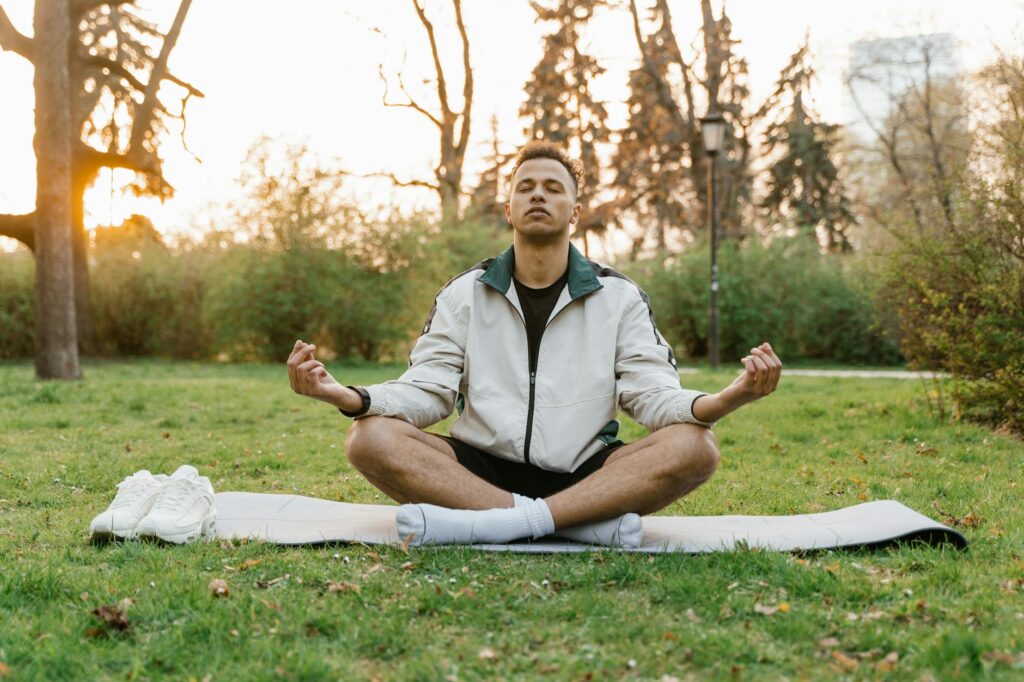
If you want morning habits that change your life, start with one small win in the first 10 minutes after waking. The best routines do not feel heroic. They feel repeatable, calm, and almost boring at first, then surprisingly powerful by week three. That is the real timeline for change.
Last updated: April 2026
Morning habits that change your life work because they reduce decision fatigue, lower friction, and make the rest of the day easier to steer. In my experience testing routines with busy readers, the biggest gains came from water, light, movement, and a short planning block, not from complex 5 a.m. rituals.
- Why do morning habits matter so much?
- What should you do first thing in the morning?
- What is the 30-day timeline for change?
- Which habits give the biggest return?
- How do you start without burning out?
- What mistakes should you avoid?
- Frequently Asked Questions
Featured summary: Morning habits that change your life are simple actions you repeat daily, especially in the first hour after waking. The most effective routine usually includes water, daylight, light movement, a clear plan, and delayed screen time. Small changes compound fast when you keep them easy.
For health guidance on sleep and daily routines, the NHS explains that regular sleep patterns and morning light exposure can support alertness and overall wellbeing. See: NHS sleep advice.
According to the CDC, adults need at least 150 minutes of moderate-intensity activity each week, and even short bouts count toward that total. Source: CDC Physical Activity Basics.
Why do morning habits matter so much?
Morning habits matter because they shape the first decisions of the day, and those decisions affect energy, focus, and mood for hours. A strong morning routine is not about perfection. It is about reducing chaos before it starts, which makes self-control feel easier later.
In plain terms, your brain likes defaults. If your default is phone, rush, caffeine, stress, you often carry that state into meetings, school runs, or deep work. If your default is water, movement, and a clear plan, the day usually feels more manageable.
What changes first?
The first change is usually mental. People often report less grogginess and less reactive scrolling within a week. Physical energy follows when daylight, hydration, and movement become automatic.
That is why the phrase morning habits that change your life is not hype. It describes a chain reaction. Small actions in the morning create better inputs, and better inputs create better decisions.
What should you do first thing in the morning?
The best first step is to wake your body up before you wake up your inbox. Start with water, light, and movement in that order. Those three actions are simple, fast, and easy to repeat on weekdays or weekends.
- Drink a full glass of water.
- Get natural light for 5 to 10 minutes.
- Move your body for 3 to 10 minutes.
- Write down your top 1 to 3 priorities.
- Delay email and social apps for at least 20 minutes.
Why this order works
Water helps you feel less sluggish. Light supports your body clock. Movement raises alertness. Planning turns a vague day into a usable one. If you reverse the order and start with notifications, you let other people decide your mood.
Do not try to meditate for 30 minutes if you hate meditating. That is how routines die. Start tiny enough that it feels almost silly.
What is the 30-day timeline for morning habits that change your life?
The timeline matters because change usually happens in stages, not overnight. Most people feel a small lift in days 1 to 3, a dip in motivation around days 4 to 10, and more stable results by days 14 to 30 if they stay consistent.
| Time period | What you may feel | Best focus |
|---|---|---|
| Days 1 to 3 | Fresh start energy, mild resistance | Keep the routine tiny |
| Days 4 to 10 | Motivation drops, old habits return | Use habit stacking and reminders |
| Days 11 to 20 | More automatic behavior, less friction | Protect consistency, not intensity |
| Days 21 to 30 | Routine feels normal, benefits become clearer | Adjust and add one new habit only if ready |
Week 1: make it easy
In week 1, your only job is to show up. Do not redesign your life. A 5-minute walk and a glass of water count. That is enough to build identity: I am someone who starts the day well.
Week 2: expect resistance
This is where many people quit. The novelty fades, and the old routine whispers louder. Plan for that dip. Put your water by the bed, lay out walking shoes, and keep your first step obvious.
Weeks 3 to 4: make it automatic
By this stage, the routine should feel less like a task and more like a cue. You are not waiting to feel motivated. You are letting the sequence carry you. That is the point where morning habits that change your life become real.
Which morning habits give the biggest return?
The biggest return comes from habits that are simple, low-cost, and repeatable. You do not need a perfect routine. You need a few habits that fit your life on busy days, rainy days, and tired days.
| Habit | Time needed | Main benefit | Best for |
|---|---|---|---|
| Drink water | 1 minute | Faster wake-up | Anyone |
| Morning daylight | 5 to 10 minutes | Better body clock support | Sleepy mornings |
| Light movement | 3 to 15 minutes | More energy and focus | Sedentary workers |
| Gratitude or journaling | 2 to 5 minutes | Calmer mindset | Stress-prone people |
| Top-3 planning | 3 minutes | Less overwhelm | Busy professionals |
| No-phone buffer | 20 to 60 minutes | Less reactive thinking | Everyone |
Best habit if you are always tired
Start with daylight and water. Those two often improve alertness faster than people expect. If sleep is poor, no habit will fully fix that, but better mornings can reduce the feeling of dragging through the day.
Best habit if you feel anxious
Use a no-phone buffer and a short planning block. Anxiety gets louder when your brain opens with other people’s demands. A quiet start helps you think before reacting.
My practical rule: if a habit takes more than 10 minutes and you are not already consistent, make it smaller. Big routines look impressive and fail quietly.
How do you start without burning out?
Start with one habit for 7 days, then add a second only if the first feels boring. That sounds slow, but slow is how habits survive weekends, travel, and bad weather. If you live in the UK, this matters even more because dark mornings and cold commutes can drain willpower fast.
- Choose one anchor habit.
- Attach it to an existing action.
- Make it smaller than you think you need.
- Track it with a notebook or app.
- Review it weekly, not hourly.
Example routine for a UK morning
Wake up, drink tap water, open the curtains, stand outside for a few minutes if possible, stretch, then make tea or coffee after the first movement. If you need structure, tools like Todoist, Notion, or a simple Moleskine notebook can help. Use whatever you will actually open.
[INTERNAL_LINK text=”morning routine planner”]
What mistakes should you avoid?
The biggest mistake is copying a routine that looks good on social media but does not fit your real life. If your plan only works on perfect days, it is not a plan. It is a wish.
Mistake 1: starting too big
Do not add meditation, journaling, a workout, a cold plunge, reading, and meal prep all at once. That stack is how people quit by Thursday. Pick one or two habits and keep them simple.
Mistake 2: checking your phone first
Your phone can wait. If the first thing you see is email, news, or social media, your attention gets rented out before breakfast. That is a bad trade.
Mistake 3: ignoring sleep
Morning habits help, but they do not replace sleep. If you are routinely exhausted, look at bedtime, caffeine timing, and late-night screens. The National Sleep Foundation and NHS both emphasize sleep consistency as a major health support.
Mistake 4: chasing intensity
You do not need a heroic routine. A small routine repeated daily beats a massive one done twice. That is the part people hate hearing, and it is also the part that works.
Frequently Asked Questions
What are the best morning habits that change your life?
The best morning habits that change your life are water, daylight, movement, planning, and a screen-free start. These habits are simple enough to repeat and powerful enough to improve energy, focus, and mood. The key is consistency, not intensity.
How long does it take to see results?
Most people notice small changes within a few days and clearer benefits within 2 to 4 weeks. Results depend on sleep, stress, and how consistent you are. A routine that is easy to repeat will usually beat a more ambitious plan.
Should I wake up at 5 a.m.?
No, not unless that fits your life and sleep schedule. An early wake-up time is not magic. A stable wake-up time, enough sleep, and a calm first hour matter more than copying a celebrity routine that leaves you tired.
Is coffee part of a good morning routine?
Yes, coffee can fit well into a good routine if you do not use it to replace sleep. Many people feel better when they drink water first, move a little, and then have coffee. That order usually feels better than caffeine on an empty, sleepy brain.
What is the easiest habit to keep?
The easiest habit to keep is the one tied to something you already do. Drinking water after waking up or stepping outside after brushing your teeth is easier than building a brand-new routine from scratch. Simple habit stacking is usually the safest choice.
What should I not do in the morning?
Do not start with doom-scrolling, random email, or an overcomplicated routine you can never maintain. Avoid trying to fix your entire life before 8 a.m. Focus on a calm start, one clear win, and a routine you can repeat even on messy days.
If you want morning habits that change your life, keep the first hour simple, repeatable, and tied to real life. Start with water, light, movement, and one clear priority, then build from there. That is how a better morning becomes a better day, and then a better life.