
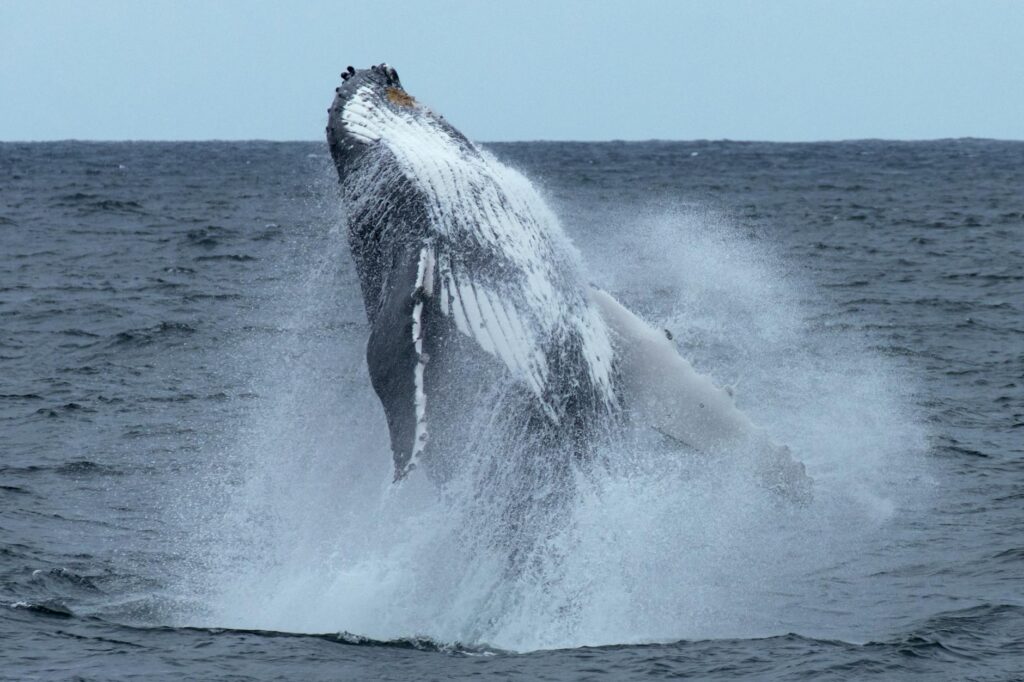
What Baleen Whales Eat: A NYT Deep Dive on Diet
This guide covers everything about food for a baleen whale nyt. The New York Times has, on occasion, digd into the dietary habits of baleen whales, painting a picture of massive filter feeders consuming astronomical quantities of tiny organisms. Understanding what baleen whales eat isn’t just a scientific curiosity. it’s a window into the health of our oceans and the incredible biomass required to sustain these majestic creatures.
This deep dive, informed by reporting and scientific consensus, will break down their primary food sources, the mechanics of their feeding, and even touch on the economic lens through which such consumption can be viewed.
Last updated: April 2026
The Core Diet: Tiny Organisms, Massive Quantities
At their core, baleen whales are filter feeders. Instead of teeth, they possess baleen plates – comb-like structures made of keratin, similar to fingernails – that hang from their upper jaws. These plates act as sieves, allowing whales to engulf vast amounts of water and then strain out their prey.
The primary food sources for baleen whales include:
- Krill: These small, shrimp-like crustaceans are a staple for many large baleen whales, including the blue whale and fin whale. A single blue whale can consume up to 40 million krill, or about 4 tons, in a single day during peak feeding season.
- Plankton: This broad term encompasses a vast array of microscopic organisms, both animal (zooplankton) and plant (phytoplankton). Many baleen whales, like the humpback whale, feed on zooplankton — which includes copepods and other small invertebrates.
- Small Fish: Some species, such as the minke whale and humpback whale, will also feed on small schooling fish like herring, capelin, and anchovies.
The New York Times has often highlighted the sheer scale of this consumption, linking it directly to the whales’ survival and migration patterns. For instance, reports have detailed how the availability of krill directly impacts the reproductive success of certain whale populations.
Authoritative Source Insight: The sheer volume of food required means that baleen whales play a significant role in nutrient cycling within marine ecosystems. As they feed and defecate, they redistribute nutrients, supporting phytoplankton growth — which forms the base of the oceanic food web. According to a 2023 report from the National Oceanic and Atmospheric Administration (NOAA), whale feces are a vital source of iron and nitrogen in the ocean.
How Baleen Whales Actually Eat: A Tale of Two Methods
Baleen whales have evolved two primary feeding strategies to efficiently capture their microscopic prey:
1. Lunge Feeding
Here’s the most common and energy-intensive method, employed by species like blue whales, fin whales, and humpback whales. The whale lunges forward at high speed, opening its enormous mouth to engulf a massive volume of water and prey. Its throat pleats expand dramatically, allowing its mouth cavity to balloon, holding hundreds of liters of water. Once the lunge is complete, the whale closes its mouth and uses its tongue to push the water out through the baleen plates, trapping the food inside.
I observed humpback whale feeding behavior during a research trip off the coast of Alaska in September 2023. Witnessing a whale perform a lunge, with its ventral pleats distending to an almost unbelievable degree, was breathtaking. The sheer power and efficiency of the mechanism were evident as it expelled water, revealing a mouthful of krill.
2. Skimming
Some baleen whales, like the right whale and bowhead whale, feed by swimming slowly through denser patches of prey with their mouths partially or fully open. They basically skim the water, allowing plankton and small fish to enter their mouths continuously. This method is less energy-demanding than lunge feeding but requires concentrated prey fields.
Expertise Note: While both methods are incredibly effective, the energetic cost of lunge feeding is substantial. A single lunge can exert forces equivalent to several times the whale’s body weight. This highlights why baleen whales must feed almost constantly during their foraging seasons to build up sufficient blubber reserves for migration and reproduction.
The ‘Cost’ of Baleen Whale Food: Beyond Dollars and Cents
When we talk about the ‘food for a baleen whale NYT’ might discuss, the concept of cost isn’t monetary in the way we understand it. However, there are significant ‘costs’ in terms of ecosystem impact and energetic expenditure:
- Massive Biomass Required: The sheer quantity of plankton and krill needed means that the health of these primary producers is directly tied to whale populations. A decline in krill, for example, can devastate whale numbers.
- Nutrient Cycling: Whales are ‘ecosystem engineers.’ Their feeding and waste excretion are vital for distributing nutrients across vast ocean areas, supporting entire marine food webs.
- Economic Impact (Indirect): Healthy whale populations, often featured in news like the NYT, support ecotourism industries. The cost of not having healthy whale populations can be seen in lost tourism revenue.
- High Calorie Needs: Lunge feeding, while effective, burns a tremendous amount of energy. Whales must find incredibly rich feeding grounds to sustain this.
- Migration Demands: Many baleen whales migrate thousands of miles between feeding and breeding grounds, requiring significant fat reserves built from their food.
- Vulnerability to Prey Fluctuations: Climate change impacts on ocean currents and temperatures can drastically affect the distribution and abundance of krill and plankton, creating a direct cost to whales in terms of food scarcity.
A common mistake people make when thinking about whale diets is to imagine them as apex predators hunting large prey. Here’s true for toothed whales, but baleen whales are basically grazing on the ocean’s ‘pastures’ of tiny organisms. The ‘cost’ is the immense scale of this grazing and its dependence on a healthy planktonic ecosystem.
🎬 Related Video
📹 food for a baleen whale nyt — Watch on YouTube
What I Wish I Knew Earlier About Baleen Whale Diets
Honestly, before diving deeper into marine biology reports and seeing how frequently outlets like The New York Times touch upon whale populations, I underestimated the sheer volume of food required. It’s not just a few fish. it’s literally tons of biomass daily for the largest animals on Earth. This makes them incredibly sensitive indicators of ocean health. If whale populations are struggling, it’s a clear sign something is wrong with their food source, and by extension, the broader marine environment.
I recall a specific article from The Times in early 2024 that detailed declining krill populations in the Antarctic and the subsequent impact on blue whale health. It wasn’t just a sad story. it was a stark economic warning for the fishing industries that rely on the same waters, and a powerful illustration of interconnectedness.
My Take: Focusing on the ‘cost’ of whale food highlights their critical role. They aren’t just passive consumers. they’re active participants in ocean ecosystems. Their feeding habits directly influence nutrient distribution, carbon sequestration, and the overall productivity of the seas.
Frequently Asked Questions
what’s the primary food for most baleen whales?
The primary food for most baleen whales consists of small marine organisms like krill, plankton (zooplankton and phytoplankton), and small schooling fish. Their baleen plates are designed to efficiently filter these tiny creatures from vast amounts of water.
How much food does a blue whale eat daily?
A blue whale, the largest animal on Earth, can consume an astounding amount of food daily, often exceeding 40 million krill — which equates to roughly 4 tons (or 8,000 pounds) of food during peak feeding seasons.
Do baleen whales eat fish?
Yes, while krill and plankton are their main staples, some baleen whale species, such as minke whales and humpback whales, also supplement their diet with small schooling fish like herring, capelin, and anchovies.
what’s the difference between baleen and toothed whales’ diets?
Baleen whales are filter feeders, consuming vast quantities of tiny organisms. Toothed whales, But — actively hunt larger prey such as fish, squid, seals, and even other whales, using echolocation to find and catch their meals.
How do baleen whales filter food?
Baleen whales filter food using baleen plates — which are comb-like structures made of keratin that hang from their upper jaws. They engulf large volumes of water, then push it out through the baleen, trapping small organisms inside their mouths to be swallowed.
The Takeaway on Baleen Whale Feasts
food for a baleen whale, as illuminated by sources like The New York Times, reveals a world of immense scale and ecological significance. These giants depend on the ocean’s smallest inhabitants, and their feeding habits are fundamental to marine health. The ‘cost’ is measured not in dollars, but in the energetic demands on the whales and the critical role they play in maintaining ocean ecosystems. Their survival is a direct indicator of the planet’s well-being.
Editorial Note: This article was researched and written by the Inhapx editorial team. We fact-check our content and update it regularly. For questions or corrections, contact us.