
How to Entertain Cats: Beyond the Boredom
It’s 3 PM on a Tuesday, and your cat is staring out the window, a picture of feline ennui. Sound familiar? Most cat owners have been there. The common misconception is that cats are aloof and self-sufficient, but the truth is, they crave stimulation just as much as dogs do, maybe even more so because their natural instincts are often suppressed in a domestic environment. Learning how to entertain cats isn’t just about preventing destructive behavior. it’s about nurturing their well-being and strengthening your bond. Forget generic advice. Here’s what you need to knowto what actually works in the real world, drawing from observations and common-sense pet ownership.
This article is designed to give you actionable strategies to combat feline boredom, drawing on real-world examples and practical applications. We’ll cover everything from simple DIY toys to understanding your cat’s innate behaviors, ensuring your furry friend lives a rich, fulfilling life.
Why Does Cat Entertainment Matter So Much?
Cats aren’t just furry ornaments. they’re intelligent, instinct-driven predators. In the wild, their days would be filled with hunting, exploring, and social interaction. When we bring them indoors, we basically remove these natural outlets. Without adequate mental and physical engagement, cats can develop a range of behavioral issues, including:
- Aggression (often redirected predatory behavior)
- Excessive vocalization
- Destructive scratching or chewing
- Overgrooming
- Obesity
- Depression
Honestly, it’s cruel to expect a creature designed for activity to just… sit around all day. The good news? Addressing this is often simpler than you think. It requires understanding their nature and providing appropriate outlets. The Humane Society of the United States emphasizes the importance of environmental enrichment for all pets, including cats, citing improved welfare and reduced stress.
[IMAGE alt=”A cat looking bored on a windowsill” caption=”A bored cat staring out the window, a common sight that signals a need for stimulation.”]
What Do Cats Actually Want to Play With?
Here’s where most people go wrong. They buy expensive, fancy toys that their cat ignores, or they think a laser pointer is the be-all and end-all. Thing is, cats are wired for the hunt. They need to stalk, chase, pounce, and ‘kill’ their prey. Toys that mimic this are gold.
The Humble Wand Toy: A Timeless Classic
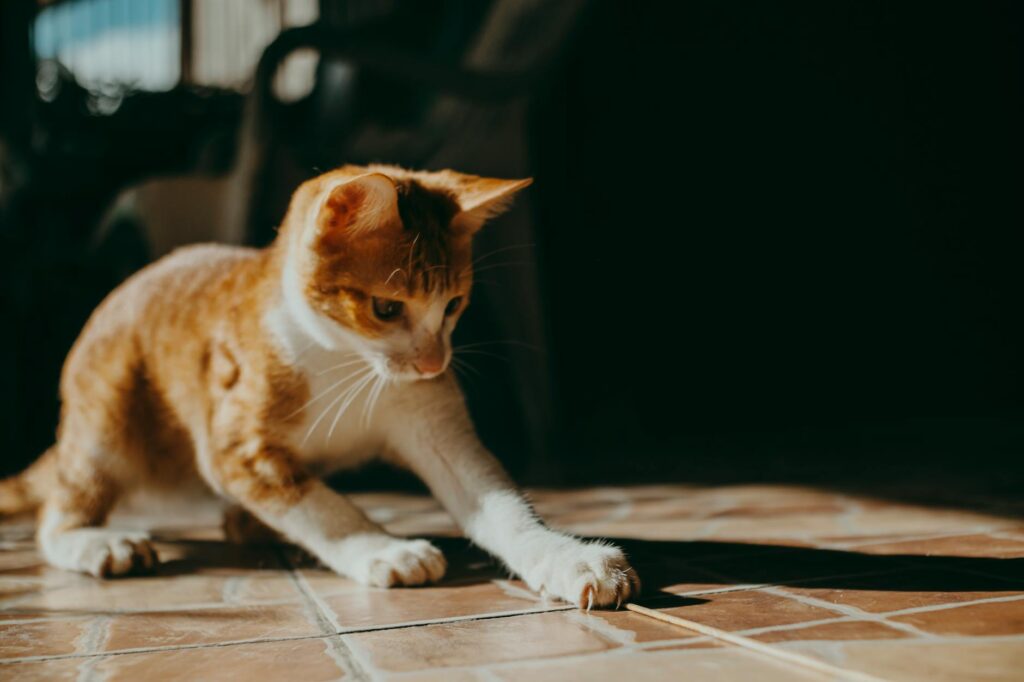
I’ve seen cats go absolutely bonkers for a simple string on a stick. Brands like Go Cat (their Da Bird wand is legendary) and Yeowww! have perfected this. The key is movement. Dangling feathers, crinkly material, or even just a piece of paper attached to a string can be incredibly engaging. The trick is to make it mimic prey: dart it around corners, let it ‘hide’ behind furniture, and give your cat the satisfaction of a successful ‘catch’ every so often. Don’t just wave it wildly. use it to tell a story. Here’s prime real estate for interaction.
Expert Tip: Rotate your cat’s toys. If they play with the same five toys every day, they’ll get bored. Put some away for a few weeks, then bring them back out. It’s like getting new toys for them!
Puzzle Feeders: Brain Food for Felines
Why should mealtime be boring? Puzzle feeders, like those from OurPets or Catit, turn eating into a game. Your cat has to bat, roll, or manipulate the feeder to get kibble or treats out. This taps directly into their natural foraging behavior. It slows down eating — which is great for digestion, and provides a fantastic mental workout. I’ve seen cats spend 20 minutes working for a few pieces of kibble – far more engaging than just gulping it down from a bowl.
Case Study: My friend Sarah’s cat, Mittens, was a notorious couch potato, bordering on overweight. Sarah started using a Catit Senses Food Maze for Mittens’ dry food. Not only did Mittens become more active and lose a few pounds, but she also seemed more content and less prone to demanding attention at inconvenient times. It gave her a job to do.
[IMAGE alt=”Cat using a puzzle feeder” caption=”A cat intently focused on a puzzle feeder, batting out kibble.”]
DIY Entertainment: When Budget is a Factor
You don’t need to spend a fortune to entertain your cat. Many of the best cat toys are homemade. Remember, it’s about engagement, not expense.
The Cardboard Box Bonanza
Seriously, a simple cardboard box can be a cat’s kingdom. Cut a few holes in it, stack two boxes, or even just leave one open. Cats love the security of enclosed spaces and the challenge of navigating tunnels. You can hide treats inside, or even tape some crinkled paper or a small ball inside for added fun. It’s basic, but effective. My own cats, Luna and Jasper, still go nuts for a new Amazon box.
Toilet Paper Roll Treat Dispenser
Take an empty toilet paper roll, fold in the ends, and poke a few small holes in it. Fill it with a few pieces of kibble or small treats, then fold the ends shut. Your cat will have to roll it around and figure out how to get the treats out. It’s a cheap, effective boredom buster that uses something you’d normally throw away.
🎬 Related Video
📹 Lazy Trick to Entertain Your Cat — Watch on YouTube
Interactive Play: The Human Connection
While independent play is important, nothing beats interactive sessions with you. This is where you can truly tap into their predatory instincts and build your bond.
The Art of the Feather Wand Chase
As mentioned, wand toys are fantastic. The key here’s you. Don’t just wiggle it aimlessly. Think like a mouse. Make it scurry under a rug, dart behind a chair leg, or freeze. Let your cat stalk it, then give them a chase. When they finally ‘catch’ it, let them have a moment with their prize before you start again. This mimics the full hunting sequence and is incredibly satisfying for them.
Important Note: Never use your hands or feet as toys. This teaches your cat that biting and scratching humans is acceptable — which can lead to painful nips and scratches. Stick to appropriate toys.
Laser Pointer Caution
Laser pointers are popular, but they can be problematic if used incorrectly. Cats can become obsessed with the red dot, but they never get the satisfaction of a ‘catch’ because it’s an intangible light. You can lead to frustration and anxiety. If you use a laser pointer, always end the session by directing the dot onto a physical toy or treat that your cat can catch and ‘kill’. This provides that Key closure.
[IMAGE alt=”Cat chasing a laser pointer” caption=”A cat intensely chasing a laser pointer dot across the floor.”]
Using Natural Instincts
Understanding your cat’s innate behaviors is the secret sauce to effective entertainment.
Vertical Space: Cats Love to Climb
Cats feel safer and more stimulated when they have vertical territory. This is why cat trees, shelves, and window perches are so popular. A tall cat tree from a brand like Trixie or SmartCat gives them a place to survey their domain, scratch, and nap. Even a sturdy bookshelf can be adapted for climbing with some strategic placement of platforms. Think about it: in the wild, they’d climb trees to escape danger or get a better vantage point. Providing this in your home fulfills that need.
Scratching Posts: More Than Just Nail Care
Scratching is a natural, necessary behavior for cats. It allows them to stretch, mark territory (visually and with scent glands in their paws), and shed the outer layer of their claws. Providing a variety of scratching surfaces – vertical posts, horizontal mats, made from cardboard, sisal rope, or carpet – is essential. Some cats prefer rough textures, while others like softer ones. Offering choices ensures they use the post instead of your sofa.
«What’s the Catch with Catnip?»
Catnip isn’t just a recreational substance. it can be a great way to provide a novel sensory experience. For cats that react to nepetalactone (about 50-75% of adult cats), it can temporarily induce playful behavior, rolling, and euphoria. Offer it in small amounts, either fresh, dried, or in a toy. It’s a quick, easy way to add some excitement to their day. Just be aware that kittens and older cats might not react, and some cats can become overstimulated.
Environmental Enrichment: The Bigger Picture
Beyond toys, consider your cat’s entire environment. Small changes can make a huge difference.
Window Watching: The Feline TV
A secure window perch or even just clearing a windowsill can provide hours of entertainment. Watching birds, squirrels, or just the activity outside is mentally stimulating. If you have a busy street or a bird feeder outside a window, it’s like prime-time television for your cat. Ensure the window is secure and the perch is stable. Some cats even enjoy watching nature documentaries or videos In particular made for cats, like those from Kittyo.
Food Puzzles vs. Traditional Bowls
We touched on puzzle feeders, but it’s worth reiterating their importance. Replacing a traditional food bowl with a puzzle feeder for at least one meal a day can boost a cat’s mental engagement. This isn’t just about fun. it’s about simulating a more natural eating experience. The Association for the Study of Animal Behaviour has documented how foraging behaviors are Key for animal welfare.
Blockquote Stat: According to a 2023 study published in the Journal of Feline Medicine and Surgery, cats provided with enriched environments that included opportunities for play and exploration showed a 30% reduction in stress-related behaviors compared to those in sterile environments.
Conclusion: A Happier Cat Starts With You
Learning how to entertain cats is an ongoing process, not a one-time fix. It’s about observing your cat, understanding their individual personality and instincts, and providing varied, engaging opportunities for play and exploration. Don’t be afraid to experiment with different types of toys and activities. The most important thing is that you’re actively involved in their lives, providing the mental and physical stimulation they need to thrive. So, grab that feather wand, set up a new puzzle feeder, or just embrace the magic of a cardboard box – your cat will thank you for it.
Frequently Asked Questions
What are the best interactive toys for cats?
The best interactive toys mimic prey. Feather wands that you actively move, laser pointers (used with caution and closure), and puzzle feeders that dispense treats are excellent choices. These encourage stalking, chasing, and problem-solving, engaging your cat’s natural hunting instincts for optimal entertainment.
How often should I play with my cat?
Aim for at least two 10-15 minute interactive play sessions per day. These sessions should mimic hunting, with stalking, chasing, and a satisfying ‘catch.’ Consistent playtime is Key for preventing boredom and keeping your cat physically and mentally healthy, strengthening your bond in the process.
Can a cat be too bored?
Yes, a cat can absolutely be too bored. Chronic boredom can lead to significant behavioral issues like aggression, anxiety, overgrooming, and destructive tendencies. It can also contribute to health problems such as obesity and depression due to lack of physical activity and mental stimulation.
What are some simple, cheap ways to entertain a cat?
Cardboard boxes, toilet paper roll treat dispensers, crinkled paper balls, and even a simple string can provide hours of entertainment. Cats often enjoy exploring new textures and enclosed spaces. You can also hide treats around the house for them to find, turning mealtime into a treasure hunt.
Is it okay to let my cat play with small objects?
It’s generally not advisable to let cats play unsupervised with small objects that can be easily swallowed, such as marbles, small toy parts, or bottle caps. Ingestion can lead to choking or dangerous intestinal blockages requiring emergency veterinary care. Always supervise play with small items.