
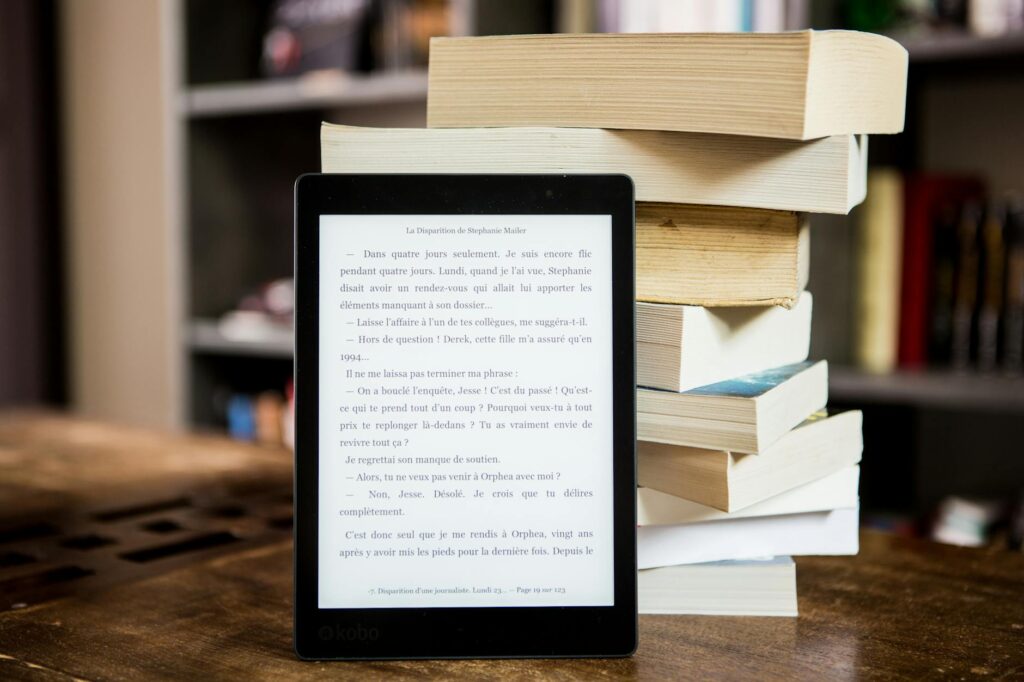
oceanofpdf: A Hub for Free eBooks Faces Growing Scrutiny
For years, platforms like oceanofpdf have served as a significant conduit for individuals seeking free access to a vast array of books. These digital libraries offer a seemingly endless supply of literature, from best-selling novels to academic texts, catering to a global audience eager for knowledge and entertainment without the associated costs. However, the world of free digital content is becoming increasingly complex, marked by escalating legal challenges and evolving debates around intellectual property rights, especially with the rise of artificial intelligence.
Last updated: April 20, 2026
The ease with which users can download entire libraries of content from sites similar to oceanofpdf has long raised eyebrows among content creators and publishers. This accessibility, while beneficial for many readers, often operates in a gray area concerning copyright law. As legal battles intensify, the future of such platforms and the very definition of fair access to digital literature are being re-evaluated.
The Evolving Digital Content Landscape
The digital age has transformd how we consume information and entertainment. E-books, once a novelty, are now a dominant format, offering convenience and portability. Websites that facilitate the free distribution of these digital books have proliferated, creating a vast, informal ecosystem for readers worldwide. Platforms such as oceanofpdf, Library Genesis (LibGen), and Anna’s Archive have become well-known destinations for those seeking titles unavailable through conventional channels or prohibitively expensive. These sites often aggregate links to publicly accessible files or host their own copies, bypassing traditional publisher distribution models.
This accessibility, however, comes at a cost to authors and publishers. The widespread availability of free, unauthorized copies can impact sales revenue, hindering the ability of creators to sustain their work. The debate often pits the public’s desire for free access against the creators’ rights to compensation and control over their intellectual property. According to Publishers Weekly, authors are increasingly taking direct action, filing new lawsuits against AI companies, seeking more financial compensation for the use of their work.
AI and the Copyright Conundrum
The rapid advancement of artificial intelligence has introduced a new layer of complexity to the ongoing copyright discussions. AI models, especially large language models (LLMs), are trained on massive datasets — which often include vast quantities of copyrighted text, including books. This has led to significant legal disputes, with authors and publishers alleging that AI companies are profiting from unauthorized use of their literary works for training purposes.
In December 2025, a significant development occurred when authors filed new lawsuits against AI companies, seeking substantial financial settlements. The core of these legal actions, as reported by the-decoder.com, involves allegations of book piracy — where AI giants are accused of using millions of copyrighted books without permission to train their AI models. This legal pressure highlights a growing sentiment among creators that their intellectual property is being exploited, and they’re demanding greater recognition and remuneration.
“The use of copyrighted material to train AI without authorization raises fundamental questions about fair use and the economic viability of creative professions in the digital era.”
These lawsuits aren’t isolated incidents. They represent a broader trend of creators pushing back against what they perceive as unchecked exploitation of their work. The outcome of these legal battles could set significant precedents for how AI development interacts with copyright law, potentially impacting the future of both technology and literature.
Legal Actions Against Piracy Websites
Beyond the AI-related lawsuits, direct action is also being taken against websites that facilitate the unauthorized distribution of books. In July 2025, a notable development occurred when Belgian courts ordered the blocking of websites involved in providing free pirated books. This move, reported by The Brussels Times, signifies a concerted effort by legal authorities to curb the spread of pirated digital content.
Such judicial interventions aim to disrupt the infrastructure that supports large-scale copyright infringement. While website blocking can be an effective short-term measure, the decentralized nature of the internet and the sheer volume of available content mean that new sites often emerge to replace those that are taken down. The fight against online piracy is, therefore, a continuous and evolving challenge.
The reaction from some online communities has been strong. Following campaigns by authors that led to the shutdown of a prominent website, The Guardian reported in August 2018 that angry book pirates hit back, labeling the actions as “elitist.” This sentiment highlights a divide in public perception — where some view unrestricted access to books as a fundamental right, while others emphasize the legal and ethical obligations to respect copyright.
Alternatives and Emerging Platforms
In response to the ongoing legal scrutiny and the desire for legitimate access to digital content, numerous alternatives and emerging platforms are gaining traction. For readers seeking free, legal options, several resources provide valuable content without infringing on copyright.
Lifewire, in a January 2026 article, highlighted “13 Hidden Gems for Free Audiobooks in 2026,” showcasing legitimate services that offer audiobooks at no cost. These often include public domain works, promotional offers, or library-based lending services. Similarly, Techpoint Africa, in October 2024, listed “Top 8 LibGen alternatives for free book downloads in 2025,” focusing on platforms that either offer legally accessible content or are known for their extensive (though sometimes legally ambiguous) collections.
Academic resources are also a key area where free access is sought. Edgeone.ai, in January 2026, published “Beyond Anna’s Archive: Top 10 Alternatives for Free E-books and Academic Resources in 2025,” pointing towards repositories that cater to students and researchers. These platforms often curate open-access journals, research papers, and out-of-copyright textbooks, providing essential materials for educational pursuits.
Legitimate Free eBook and Audiobook Sources
- Project Gutenberg: Offers over 60,000 free eBooks, primarily classic literature whose U.S. copyright has expired.
- Internet Archive: A vast digital library providing free access to millions of books, music, videos, and archived websites.
- Libby/OverDrive: Connects users with their local public library’s digital collection, offering free eBook and audiobook checkouts with a library card.
- Loyal Books: Provides a curated selection of free public domain audiobooks and eBooks.
- Open Library: An initiative by the Internet Archive aiming to create a web page for every book ever published, offering borrowing options.
The Impact on Authors and the Publishing Industry
The widespread availability of free, unauthorized eBooks has a tangible impact on authors and the publishing industry. For authors, especially those who are self-published or emerging, piracy can directly reduce their income. Royalties from book sales are a primary source of livelihood for many writers, and when their books are freely distributed online, this revenue stream is diminished.
Publishers also face challenges. The costs associated with acquiring, editing, marketing, and distributing books are substantial. Piracy undermines the business model that allows publishers to invest in new talent and produce high-quality books. According to industry reports, the digital piracy of books results in billions of dollars in lost revenue annually, affecting not just publishers but also booksellers, printers, and related industries.
The legal actions, including those against AI companies and piracy sites, are an attempt to rebalance this ecosystem. By pursuing legal avenues, authors and publishers aim to protect their intellectual property, ensure fair compensation, and maintain the economic viability of the creative industries. The recent lawsuits filed in late 2025 highlight this determination, signaling a tougher stance against unauthorized digital distribution and use.
The User Perspective: Access vs. Legality
From the user’s perspective, the appeal of platforms like oceanofpdf is undeniable. They offer immediate access to a virtually limitless library of content, often at no financial cost. For students needing specific textbooks, researchers seeking obscure academic papers, or avid readers on a budget, these sites can be invaluable resources. The convenience and breadth of selection are key drivers of their popularity.
However, this convenience often involves navigating ethically and legally questionable territory. Many users are aware that the content they’re accessing might be pirated, but the perceived benefits—cost savings, accessibility—often outweigh these concerns. The argument for access is frequently framed as a matter of democratizing knowledge, ensuring that information and literature are available to everyone, regardless of their economic status.
This perspective clashes directly with the legal frameworks designed to protect intellectual property. While public domain works and creative commons licensed materials are freely available, much of the content on popular download sites falls under copyright protection. The legal actions and website blocks are designed to enforce these protections, but they often face resistance from users who feel their access is being unfairly restricted.
Future of Digital Books
The ongoing legal battles and technological advancements suggest a dynamic future for digital books and the platforms that host them. Websites like oceanofpdf will likely continue to face legal pressure, potentially leading to more takedowns, content restrictions, or even permanent closure, similar to how other sites have been impacted by legal campaigns. The Belgian court’s decision to block piracy sites is a clear indicator of this trend.
The lawsuits against AI companies, initiated in late 2025, represent a new front in the war against unauthorized content use. Their outcomes could reshape the AI industry and establish new norms for data usage and copyright compliance. As reported by Publishers Weekly, the scale of these claims suggests a significant shift in how creators are seeking redress for perceived exploitation.
For readers, the most sustainable and ethical path forward involves utilizing legitimate sources for eBooks and audiobooks. Platforms that offer free public domain works, library lending services like Libby, and authorized subscription models provide access without compromising legal and ethical standards. While these options might not replicate the sheer volume of content found on pirate sites, they support the creators who produce the literature we enjoy.
Frequently Asked Questions
Is oceanofpdf legal?
The legality of oceanofpdf and similar sites is highly questionable. While they may host some public domain content, Most their offerings are likely copyrighted materials distributed without permission, constituting copyright infringement in most jurisdictions. Accessing and downloading such content can expose users to legal risks.
Are there legal alternatives to oceanofpdf?
Yes, there are numerous legal alternatives for accessing free eBooks and audiobooks. These include Project Gutenberg for public domain classics, library apps like Libby and OverDrive for borrowing from local libraries, and platforms offering free trials or limited free content, such as Amazon Kindle’s free selection or Google Play Books’ free titles.
What are the main concerns regarding AI and book piracy?
The primary concern is that AI companies train their models on vast amounts of copyrighted books without obtaining proper licenses or compensating authors and publishers. This practice is seen by many creators as a form of digital piracy that undermines their livelihoods and the value of their intellectual property, leading to lawsuits seeking financial damages.
What action has been taken against websites offering pirated books?
Legal actions have included court orders for website blocking, such as the case in Belgian courts in July 2025. Law enforcement agencies and copyright holders actively pursue measures to take down infringing websites and disrupt the distribution of pirated content, though these efforts face ongoing challenges due to the dynamic nature of the internet.
How can I support authors when accessing books online?
The best way to support authors is by purchasing their books from legitimate retailers, subscribing to authorized digital libraries, or borrowing from public libraries. Engaging with authors through official channels, buying their merchandise, or contributing to crowdfunding campaigns also provides direct support.
Conclusion: A Shift Towards Legitimate Access
The digital realm has democratized access to information, but the line between accessibility and infringement has become increasingly blurred. Platforms like oceanofpdf, while popular for providing free eBooks, operate within a contentious legal framework. The escalating lawsuits against AI companies for book piracy, alongside judicial actions to block piracy websites, signal a significant shift. Creators and legal bodies are intensifying efforts to protect intellectual property and ensure fair compensation. For readers, this evolving landscape necessitates a conscious choice: to continue accessing content through legally dubious channels or to embrace the growing array of legitimate, ethical alternatives. Supporting authors and the publishing industry through legal means is Key for building a sustainable creative ecosystem for the future.