By April 2026, the quest for effective natural remedies for dry hair continues to gain momentum, moving beyond fleeting trends to focus on sustainable, science-backed solutions. Many experience the frustrating cycle of dry, brittle strands, frizz, and a lack of shine, often exacerbated by environmental factors, styling habits, and even diet. While commercial products abound, the appeal of natural ingredients lies in their gentleness, accessibility, and the profound nourishment they can offer. This article delves into proven natural strategies, exploring how specific ingredients and techniques can fundamentally improve hair health and combat dryness from the inside out.
Last updated: April 27, 2026
- Avocado and olive oil masks, rich in fatty acids, can deeply moisturize dry, brittle hair by penetrating the hair shaft.
- Yogurt and honey masks provide proteins and humectants, respectively, to strengthen hair and attract moisture.
- Consistent use of natural oils like coconut, argan, and jojoba oil can seal the cuticle, reduce moisture loss, and enhance shine.
- Scalp health is paramount; gentle exfoliation with natural ingredients can improve nutrient delivery to hair follicles.
- Understanding hair porosity helps tailor treatments to maximize moisture retention and minimize damage.
Achieving deeply hydrated, healthy hair naturally involves more than just applying a mask; it requires a complete approach that considers ingredient efficacy, application techniques, and lifestyle factors. The most effective natural remedies for dry hair work by replenishing lost lipids, sealing the hair cuticle, and providing essential nutrients that support overall hair structure and resilience.
Why Does Hair Become Dry?
Understanding the root causes of dryness is the first step toward effective treatment. According to the American Academy of Dermatology Association (as of April 2026), hair dryness can stem from a combination of external and internal factors. External culprits include over-washing, using harsh shampoos with sulfates, excessive heat styling (blow dryers, straighteners, curling irons), chemical treatments like coloring and perms, and environmental exposure to sun, wind, and chlorinated water. Internally, genetics play a role, as does diet; deficiencies in essential fatty acids, vitamins, and minerals can impact sebum production and hair health. Medical conditions and certain medications can also contribute to persistent dryness.
The hair shaft itself has a protective outer layer called the cuticle. When this cuticle is raised or damaged, moisture escapes easily, leading to dryness, frizz, and a dull appearance. Natural remedies often focus on smoothing this cuticle and preventing further damage.
The Power of Natural Oils for Dry Hair
Natural oils are perhaps the most celebrated natural remedies for dry hair, thanks to their lipid content, which mimics the natural oils (sebum) produced by our scalp. These oils can penetrate the hair shaft, moisturize from within, and form a protective barrier on the surface, preventing moisture loss. Here are some of the most effective oils:
Coconut Oil
Coconut oil is a standout due to its unique molecular structure, which allows it to penetrate the hair shaft more effectively than many other oils. Lauric acid, its primary fatty acid, has a high affinity for hair proteins. Studies have shown coconut oil can reduce protein loss from hair, both before and after washing, according to research published in the Journal of Cosmetic Science. For dry hair, applying virgin coconut oil as a pre-shampoo treatment or overnight mask can dramatically improve softness and reduce breakage. Warm a small amount in your hands and apply from roots to ends, leaving it on for at least 30 minutes, or ideally, overnight before washing as usual.
Argan Oil
Hailing from Morocco, argan oil is rich in vitamin E, antioxidants, and essential fatty acids. It’s lighter than coconut oil, making it an excellent choice for those with finer hair or as a daily leave-in treatment. It helps to tame frizz, add shine, and protect hair from environmental damage. A few drops applied to damp hair after washing can seal the cuticle and provide a smooth finish. According to a review on cosmetic ingredients, vitamin E’s antioxidant properties contribute to scalp health, which is foundational for healthy hair growth.
Jojoba Oil
Interestingly, jojoba oil is technically a liquid wax ester, not a true oil, and its molecular structure closely resembles human sebum. This makes it highly compatible with our scalp and hair, helping to moisturize without feeling greasy. It can help balance sebum production on the scalp and moisturize the hair shaft, improving elasticity and shine. Jojoba oil is also a popular ingredient in scalp treatments aimed at alleviating dryness and flakiness.
DIY Hair Masks for Deep Hydration
Creating your own potent hair masks using common kitchen ingredients is an effective and economical way to tackle dry hair. These masks combine various moisturizing, strengthening, and nourishing components.
Avocado and Olive Oil Mask
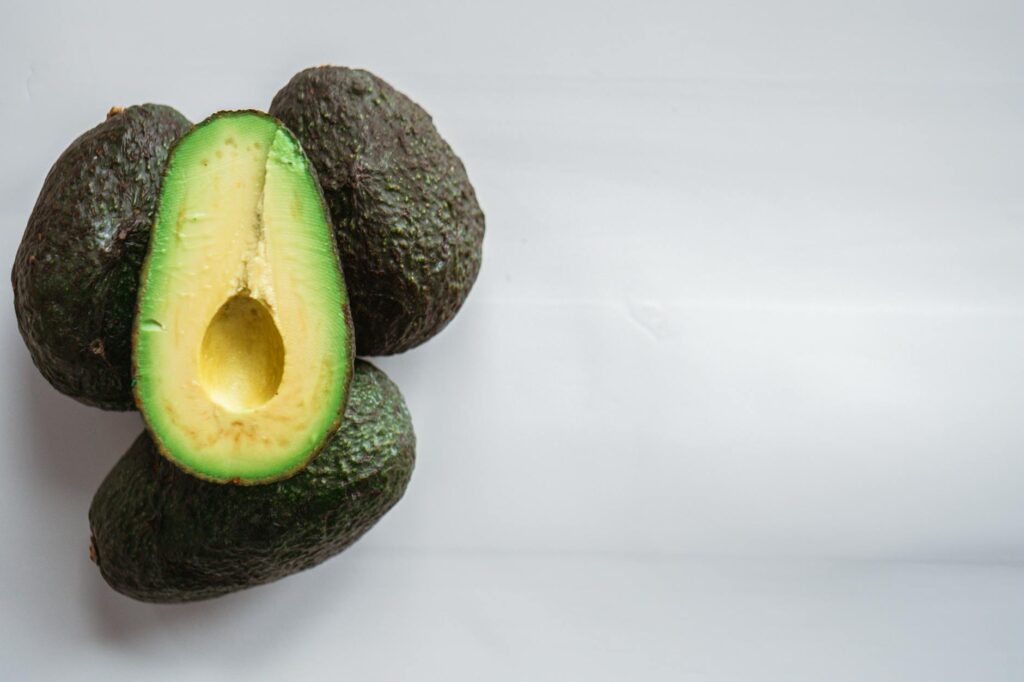
This mask is a powerhouse of healthy fats and vitamins. Avocado is rich in fatty acids, vitamins A, D, and E, and minerals that nourish and moisturize the hair. Olive oil, particularly extra virgin, is a fantastic emollient that helps to soften and smooth the hair shaft. To prepare, mash one ripe avocado with two tablespoons of extra virgin olive oil. Apply generously to clean, damp hair, focusing on the mid-lengths and ends. Cover with a shower cap and leave on for 30–45 minutes before rinsing thoroughly and shampooing.
Yogurt and Honey Mask
Plain, full-fat yogurt contains lactic acid, which can help cleanse the scalp gently, and proteins that strengthen hair. Honey is a natural humectant, meaning it attracts and retains moisture from the air. Combine half a cup of plain, full-fat yogurt with two tablespoons of raw honey. Mix well and apply to damp hair. Leave on for 20–30 minutes before rinsing. This mask is particularly good for restoring shine and softness.
Banana and Almond Oil Mask
Bananas are packed with potassium, vitamins, and natural oils that can help soften dry, brittle hair and protect its natural elasticity. Almond oil is rich in vitamin E and magnesium, further enhancing moisture and strength. Mash one ripe banana thoroughly (ensure no lumps remain to avoid difficult rinsing) and mix with two tablespoons of almond oil. Apply to hair, cover, and leave for 30 minutes. Rinse thoroughly, followed by shampoo and conditioner.
Addressing Scalp Health for Dry Hair
Healthy hair begins with a healthy scalp, and dry, flaky scalps often go hand-in-hand with dry hair. Focusing on scalp health can significantly improve moisture levels and hair growth. Gentle exfoliation can remove dead skin cells and product buildup, allowing natural oils and nutrients to reach the hair follicles more effectively. Natural exfoliants include finely ground sugar or coffee grounds mixed with a carrier oil like jojoba or olive oil. Gently massage this mixture onto your scalp before shampooing, then rinse thoroughly.
Maintaining scalp hydration is also crucial. Ingredients like aloe vera gel, known for its soothing and moisturizing properties, can be applied directly to the scalp. According to the World Health Organization (WHO) fact sheet on Aloe vera, its gel contains polysaccharides that offer wound healing and anti-inflammatory benefits, which can translate to a healthier scalp environment.
Understanding Hair Porosity and Its Impact
Hair porosity refers to your hair’s ability to absorb and retain moisture, determined by the condition of your hair cuticle. Understanding your hair’s porosity level is key to selecting the most effective natural remedies for dry hair. There are three main types:
- Low Porosity Hair: Has a tightly closed cuticle, making it difficult for moisture to penetrate but also resistant to moisture loss. This hair type can easily become weighed down by heavy oils and products.
- Medium Porosity Hair: Has cuticles that are neither too tight nor too loose, allowing for good moisture absorption and retention. This hair type generally responds well to a wide range of treatments.
- High Porosity Hair: Has cuticles that are open or damaged, allowing moisture to enter easily but also escape rapidly. This hair type needs treatments that help seal the cuticle and lock in moisture.
For low porosity hair, lighter oils like grapeseed or argan oil, and humectants applied to damp hair (to trap existing moisture) are often best. High porosity hair benefits most from protein treatments (like those found in yogurt or egg masks) to fill gaps in the cuticle, followed by heavier oils or butters (like shea butter) to seal in moisture. Medium porosity hair is the most versatile.
Lifestyle and Diet Tips for Dry Hair
The condition of your hair is often a reflection of your overall health. Incorporating these lifestyle and dietary changes can complement your topical treatments:
- Stay Hydrated: Drinking adequate water throughout the day is fundamental for overall bodily hydration, including your scalp and hair.
- Balanced Diet: Ensure your diet is rich in omega-3 fatty acids (found in fish, flaxseeds, walnuts), lean proteins, vitamins (especially A, C, E, and biotin), and minerals like iron and zinc. These nutrients are vital for hair health.
- Reduce Heat Styling: Whenever possible, air dry your hair. If heat styling is necessary, use the lowest effective heat setting and always apply a heat protectant.
- Gentle Cleansing: Avoid harsh shampoos containing sulfates and parabens. Consider co-washing (washing with conditioner only) or using sulfate-free cleansers.
- Protect Your Hair: Wear a hat in direct sun, rinse hair after swimming in chlorinated pools, and use silk or satin pillowcases to reduce friction and moisture loss overnight.
FAQ
What is the fastest natural way to moisturize dry hair?
The fastest natural way to moisturize dry hair often involves a rich, oil-based mask. Applying warmed coconut oil or an avocado and olive oil mask for at least 30 minutes can provide immediate softening and increased pliability.
Can aloe vera help dry hair?
Yes, aloe vera is excellent for dry hair. Its gel is hydrating, soothing for the scalp, and contains vitamins and minerals that can promote hair health. It can be applied directly to the scalp and hair as a mask or rinse.
How often should I use natural remedies for dry hair?
For moderate to severe dryness, using intensive treatments like oil masks or DIY masks 1–2 times per week is beneficial. For maintenance, weekly treatments or regular use of leave-in oils can suffice.
Are DIY hair masks safe for all hair types?
Most DIY masks are safe, but it’s wise to consider your hair type. Heavy ingredients like shea butter might weigh down fine hair, while lighter oils may not be sufficient for very coarse or porous hair. Always patch-test if you have sensitive skin.
Can natural remedies truly fix severely damaged hair?
Natural remedies can significantly improve the condition of dry and moderately damaged hair by providing moisture and nutrients. However, severely damaged hair, where the internal structure is compromised (e.g., from extreme chemical processing), may require professional intervention and haircuts to remove split ends.
Conclusion
Restoring hydration and vitality to dry hair in 2026 doesn’t require a complex routine or expensive products. By understanding the causes of dryness and Using the power of nature’s most effective ingredients—from nourishing oils like coconut and argan to DIY masks featuring avocado, yogurt, and honey—you can achieve softer, shinier, and healthier hair. Consistency, combined with a mindful approach to heat styling, cleansing, and diet, forms the foundation for lasting hair health. Experiment with these remedies, pay attention to your hair’s unique needs, and embrace the transformative power of natural care.