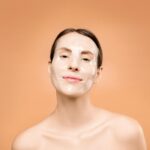

Achieving naturally glowing skin in 2026 is less about chasing fleeting trends and more about embracing a complete approach that nourishes your skin from the inside out. Many people believe that achieving a radiant complexion requires expensive treatments or complicated routines, but the truth is, nature offers a wealth of effective, gentle solutions. As of April 2026, the focus in beauty remains firmly on wellness and sustainability, making natural methods more relevant than ever. This guide will walk you through actionable strategies, incorporating lifestyle adjustments and simple DIY remedies, to help you unlock your skin’s innate luminosity.
Last updated: April 27, 2026
- Prioritize internal hydration by drinking at least eight glasses of water daily to support skin cell function and elasticity.
- Incorporate a diet rich in antioxidants, vitamins, and healthy fats, focusing on fruits, vegetables, and omega-3 sources for cellular repair.
- Establish a consistent sleep schedule, aiming for 7–9 hours nightly, as sleep is Key for skin regeneration and reducing inflammation.
- Manage stress through practices like meditation or yoga, as chronic stress can negatively impact skin barrier function and appearance.
The quest for glowing skin naturally involves a combination of consistent habits and mindful choices. It’s about creating an environment where your skin can thrive, free from unnecessary irritants and supported by beneficial elements. Understanding your skin type and its specific needs is the first step towards tailoring a regimen that truly works for you.
Why Natural Methods are Key for a Radiant Complexion
Natural skincare focuses on Using the power of ingredients found in nature, often avoiding synthetic chemicals, fragrances, and harsh preservatives that can irritate sensitive skin or disrupt its natural balance. According to the National Health Service (NHS) (2023), many common skincare ingredients can cause adverse reactions, especially in individuals with pre-existing skin conditions like eczema or rosacea. Natural ingredients, when used correctly, tend to be gentler and work in harmony with your skin’s biology. This approach aligns with a growing consumer demand for transparency and safety in beauty products, a trend that has only intensified as of 2026.
Hydration: The Foundation of Glowing Skin
Internal hydration is arguably the most critical, yet often overlooked, component of achieving a naturally glowing complexion. Water is essential for every bodily function, including maintaining skin elasticity, flushing out toxins, and ensuring proper nutrient delivery to skin cells. Dehydration can lead to dullness, dryness, and the exacerbation of fine lines and wrinkles.
How much water do you need?
General guidelines suggest aiming for at least eight 8-ounce glasses (approximately 2 liters) of water per day. However, individual needs can vary based on activity level, climate, and overall health. Listening to your body’s thirst signals is really important. Beyond plain water, incorporating hydrating foods like cucumber, watermelon, and celery can also contribute to your daily fluid intake.
Nourishing Your Skin from Within: The Power of Diet
What you eat directly impacts the health and appearance of your skin. A balanced diet rich in vitamins, minerals, antioxidants, and healthy fats provides the building blocks for cellular repair and protection. As of April 2026, dermatologists increasingly emphasize the gut-skin axis – the connection between your digestive health and your skin’s condition.
Key Nutrients for Radiant Skin:
- Antioxidants: Found in berries, dark leafy greens, and colorful vegetables, antioxidants combat free radical damage that contributes to premature aging and dullness. Vitamins C and E are especially beneficial for skin health.
- Healthy Fats: Omega-3 fatty acids, abundant in fatty fish (salmon, mackerel), flaxseeds, and walnuts, help maintain the skin’s lipid barrier, keeping it moisturized and supple. According to research cited by the Harvard T.H. Chan School of Public Health (2022), these fats can reduce inflammation and improve skin hydration.
- Vitamins and Minerals: Zinc, selenium, and vitamins A, B complex, and D play vital roles in skin cell turnover, repair, and defense.
Minimizing processed foods, excessive sugar, and unhealthy fats can also improve skin clarity and reduce inflammation.

The Key Role of Sleep in Skin Regeneration
Sleep isn’t a luxury. It’s a biological necessity, especially for skin health. During sleep, your body undertakes vital repair processes, including skin cell regeneration and collagen production. Chronic sleep deprivation can lead to increased cortisol levels (the stress hormone) — which breaks down collagen and can cause inflammation, resulting in a duller complexion and more prominent under-eye circles.
Optimizing Your Sleep for Better Skin:
- Consistent Schedule: Go to bed and wake up around the same time each day, even on weekends.
- Environment: Ensure your bedroom is dark, quiet, and cool.
- Wind-Down Routine: Avoid screens for at least an hour before bed and engage in relaxing activities like reading or gentle stretching.
Aim for 7–9 hours of quality sleep per night. This simple habit can profoundly impact how luminous and rested your skin appears.
Managing Stress for a Clearer Complexion
Stress is a silent skin saboteur. When you’re stressed, your body releases cortisol — which can trigger oil production, leading to breakouts, and impair your skin’s natural barrier function, making it more susceptible to irritation and environmental damage. As of April 2026, stress-related skin concerns are increasingly recognized by dermatologists.
Effective Stress Management Techniques:
- Mindfulness and Meditation: Even 10–15 minutes daily can make a difference. Apps like Calm and Headspace offer guided sessions.
- Regular Exercise: Physical activity is a powerful stress reliever and boosts circulation, bringing oxygen and nutrients to skin cells.
- Yoga and Deep Breathing: These practices calm the nervous system and promote relaxation.
- Hobbies and Social Connection: Engaging in enjoyable activities and spending time with loved ones can reduce stress levels.
Finding what works for you and incorporating it into your routine is key to mitigating stress’s impact on your skin.
Gentle Skincare Practices for Natural Radiance
A gentle approach to cleansing, exfoliating, and moisturizing is fundamental for maintaining a healthy skin barrier and promoting a natural glow. Harsh scrubbing or over-cleansing can strip the skin of its natural oils, leading to dryness, irritation, and increased sensitivity.
Cleansing: The First Step
Choose a mild, pH-balanced cleanser that suits your skin type. Avoid soaps with high alkalinity, as they can disrupt the skin’s acid mantle. For a natural cleanse, consider oil cleansing with jojoba or almond oil, or using gentle micellar water. Always cleanse twice daily – once in the morning and once before bed – to remove impurities and makeup.
Exfoliation: Revealing Fresh Skin
Exfoliation removes dead skin cells that can make your complexion look dull. However, over-exfoliation can damage the skin. Aim to exfoliate 1–3 times per week, depending on your skin’s tolerance.
- Physical Exfoliation: Use gentle scrubs with fine particles like sugar or finely ground oats. Avoid harsh ingredients like large-grained salt or crushed nutshells.
- Chemical Exfoliation: Opt for natural alpha-hydroxy acids (AHAs) like lactic acid (found in milk) or fruit acids, or beta-hydroxy acids (BHAs) like salicylic acid (found in willow bark). Look for products with concentrations of 5-10% for effective yet gentle exfoliation.
A popular DIY option is a gentle scrub made from finely ground oatmeal mixed with a little honey and yogurt.
Moisturizing: Locking in Hydration
Moisturizing is Key for all skin types, even oily ones. It helps to replenish the skin’s moisture barrier, preventing water loss and keeping skin soft and supple. Look for natural moisturizers containing ingredients like hyaluronic acid (which can hold up to 1000 times its weight in water), shea butter, or botanical oils.
My experience with natural moisturizers has shown that consistency is key. I found that applying a lightweight, plant-based oil like rose hip oil after cleansing and toning, especially in the evenings, improved my skin’s texture and radiance within a few weeks. It absorbed beautifully without leaving a greasy residue, a common concern for those with combination skin.
DIY Face Masks for an Instant Glow
DIY face masks are a fantastic way to deliver a concentrated dose of nutrients to your skin using readily available natural ingredients. Remember to always perform a patch test before applying any new mask to your entire face.
- Hydrating Avocado Mask: Mash half an avocado with one tablespoon of honey. Apply for 15–20 minutes. Avocado is rich in fatty acids and vitamins E and C, while honey is a natural humectant and antibacterial agent.
- Brightening Turmeric & Yogurt Mask: Mix one teaspoon of turmeric powder with two tablespoons of plain yogurt and a teaspoon of honey. Leave on for 10–15 minutes. Turmeric has anti-inflammatory and antioxidant properties, and yogurt contains lactic acid for gentle exfoliation. Be aware that turmeric can temporarily stain the skin, so use sparingly.
- Soothing Oatmeal & Honey Mask: Combine finely ground oatmeal with honey and a little warm water to form a paste. Apply for 10–15 minutes. This mask is excellent for calming irritated or sensitive skin.
These masks can provide an immediate boost, making your skin feel refreshed and look more luminous.
Sun Protection: The Non-Negotiable Step
While not always thought of as a ‘natural’ step, protecting your skin from the sun’s harmful UV rays is really important for maintaining its health and preventing premature aging, hyperpigmentation, and skin cancer. Even on cloudy days, UV radiation can penetrate and cause damage.
Natural Sun Protection Strategies:
- Seek Shade: Especially during peak sun hours (typically 10 am to 4 pm).
- Protective Clothing: Wear wide-brimmed hats, sunglasses, and long-sleeved clothing.
- Mineral Sunscreens: Opt for sunscreens containing zinc oxide and titanium dioxide. These are physical blockers that sit on top of the skin, offering broad-spectrum protection and are generally considered gentler than chemical sunscreens. Look for SPF 30 or higher.
Consistent sun protection is one of the most effective anti-aging and skin-preserving practices you can adopt.
Frequently Asked Questions
Can I really get glowing skin just from diet and lifestyle changes?
Yes, significantly. While topical treatments can offer benefits, a healthy diet, adequate hydration, sufficient sleep, and stress management form the bedrock of naturally glowing skin. These internal factors influence your skin’s health at a cellular level, leading to sustainable radiance.
How long does it take to see results from natural skincare methods?
Results vary, but consistency is key. You might notice subtle improvements in hydration and texture within a few weeks of adopting new habits. More significant changes, like improved clarity and a noticeable glow, can take anywhere from 4 to 12 weeks as your skin cell turnover cycle completes.
Are natural ingredients always safe for all skin types?
While generally gentler, natural ingredients can still cause reactions in some individuals. Always perform a patch test on a small area of skin, like behind your ear or on your inner forearm, before applying a new ingredient or product to your face. Certain essential oils, for example, can be potent and require dilution.
what’s the single most important thing I can do for my skin?
If forced to choose one, consistent and adequate hydration – both internally (drinking water) and externally (moisturizing) – is foundational. It supports all skin functions, from barrier repair to cell turnover, contributing to a healthy glow.
How can I address specific skin concerns like acne or dark spots naturally?
For acne, focus on gentle cleansing, managing oil production with ingredients like salicylic acid (natural sources exist), and reducing inflammation through diet and stress management. For dark spots, consistent exfoliation with AHAs and protection from sun exposure are Key. Vitamin C serums are also excellent for brightening and evening skin tone.
Conclusion: Embrace Your Natural Radiance
Achieving glowing skin naturally in 2026 is an achievable goal that prioritizes your overall well-being. It’s a journey of consistent, mindful practices rather than a quick fix. By focusing on internal health through hydration, nutrition, sleep, and stress management, and complementing this with gentle, effective natural skincare routines and diligent sun protection, you empower your skin to reveal its inherent luminosity. Embrace these natural strategies, be patient with your progress, and enjoy the beautiful, healthy glow that comes from within.