
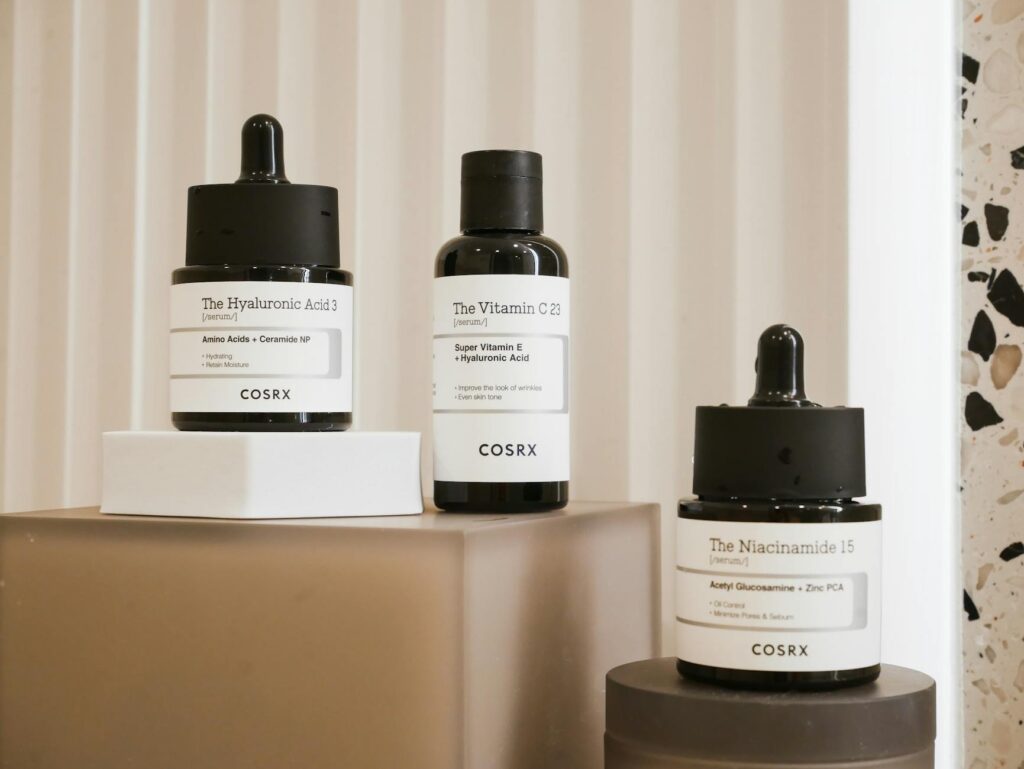
what’s Hyaluronic Acid? The Skin’s Natural Moisturizer
Hyaluronic acid (HA) is a naturally occurring substance found in our bodies, especially in the skin, connective tissues, and eyes. As of April 2026, its popularity in skincare continues to surge, primarily due to its incredible ability to attract and retain moisture. A single gram of hyaluronic acid can hold up to six liters of water! This makes it a vital component for maintaining skin hydration, plumpness, and a youthful appearance. Unlike many other skincare ingredients, it’s generally well-tolerated by all skin types, including sensitive and acne-prone skin, because it’s something our bodies already produce.
Last updated: April 27, 2026
- Hyaluronic acid can hold up to 1000 times its weight in water, making it a superior humectant for skin hydration.
- Regular use can visibly reduce fine lines and wrinkles by plumping the skin.
- It helps to strengthen the skin’s moisture barrier, protecting it from environmental stressors.
- Applying hyaluronic acid to damp skin enhances its absorption and effectiveness.
- Hyaluronic acid is suitable for all skin types, even oily and acne-prone complexions.
The Top Benefits of Hyaluronic Acid for Your Skin in 2026
The benefits of hyaluronic acid for skin are numerous and well-documented. Its primary function as a humectant means it draws moisture from the environment into your skin, leading to a host of positive effects. As of April 2026, dermatologists and skincare enthusiasts alike praise its versatility and efficacy.
One of the most significant benefits is its ability to deeply hydrate the skin. Dehydrated skin often appears dull, fine lines become more pronounced, and texture can feel rough. Hyaluronic acid combats this by infusing the skin with much-needed moisture, resulting in a smoother, softer, and more supple complexion. This intense hydration also contributes to a temporary plumping effect — which can make pores and wrinkles appear less noticeable.
Beyond hydration, hyaluronic acid matters a lot in anti-aging. By maintaining optimal moisture levels, it helps to preserve the skin’s elasticity and firmness. According to a study published in the Journal of Cosmetic Dermatology (2023), topical hyaluronic acid treatments showed significant improvements in skin hydration and elasticity, with a notable reduction in wrinkle depth. Its presence helps support the skin’s natural collagen production, a protein essential for maintaining skin structure and preventing sagging.
Also, hyaluronic acid can act as a powerful antioxidant, helping to protect the skin from damage caused by free radicals. Free radicals, often generated by UV radiation and pollution, can accelerate the aging process and contribute to various skin concerns. While not a standalone sunscreen, HA can boost the skin’s defense mechanisms.
1. Intense Skin Hydration
The cornerstone benefit of hyaluronic acid is its unparalleled hydrating capacity. As a humectant, it acts like a magnet for water molecules, pulling them from the atmosphere and deeper skin layers to the surface. This ensures that your skin stays moisturized throughout the day, preventing that tight, uncomfortable feeling often associated with dryness. For individuals in arid climates or those who frequently experience dry spells, HA can be a major shift for maintaining a comfortable and healthy skin barrier.
2. Reduced Appearance of Fine Lines and Wrinkles
Plump, hydrated skin naturally looks smoother. When skin cells are full of moisture thanks to hyaluronic acid, fine lines and wrinkles are temporarily filled out, making them less visible. Here’s a significant reason for its widespread use in anti-aging serums and moisturizers. While it doesn’t permanently erase wrinkles like more invasive treatments, its consistent use can lead to a visibly smoother and more youthful-looking complexion. The effect is more pronounced with regular application, contributing to long-term skin health.
3. Enhanced Skin Elasticity and Firmness
A well-hydrated skin structure is more resilient and elastic. Hyaluronic acid helps maintain this by keeping the skin’s extracellular matrix hydrated and functioning optimally. This supports the skin’s natural ability to bounce back, contributing to a firmer appearance and preventing the sagging that can occur with age and moisture loss. The U.S. Food and Drug Administration (FDA) has approved certain hyaluronic acid-based dermal fillers for cosmetic enhancement, underscoring its role in restoring volume and firmness to the face, although topical application offers more subtle, preventative benefits.
4. Strengthened Moisture Barrier
Your skin’s moisture barrier, also known as the stratum corneum, is your first line of defense against environmental aggressors and moisture loss. Hyaluronic acid plays a vital role in supporting this barrier. By keeping the skin hydrated, it helps the barrier function effectively, preventing transepidermal water loss (TEWL) and protecting against irritants, pollutants, and bacteria. A compromised barrier can lead to increased sensitivity, redness, and breakouts, so strengthening it with ingredients like HA is Key.
5. Soothing and Calming Properties
Hyaluronic acid has a naturally soothing effect on the skin. Its ability to hydrate and support the skin barrier can help calm inflammation and reduce redness, making it an excellent ingredient for those with sensitive or irritated skin. It’s often found in post-procedure skincare recommended by dermatologists after treatments like chemical peels or laser therapy, precisely because of its gentle yet effective hydrating and healing properties.
Common Mistakes When Using Hyaluronic Acid (And How to Avoid Them)
Despite its numerous benefits, many people don’t get the most out of their hyaluronic acid products, or worse, experience adverse effects. Understanding how to apply it correctly is key. As of April 2026, consumer education around ingredient usage is at an all-time high, yet common errors persist.
Mistake 1: Applying to Dry Skin
Here’s perhaps the most common error. Hyaluronic acid is a humectant. It draws moisture from its surroundings. If you apply it to dry skin in a dry environment, it can actually pull moisture out of your skin, leading to increased dryness and dehydration. The fix? Always apply hyaluronic acid serum to damp skin. After cleansing, gently pat your face dry with a towel, leaving it slightly moist. Then, apply your HA serum. This gives the HA something to bind to, effectively drawing that moisture into your skin. Many users find misting their face with water or a hydrating toner before application further enhances its efficacy.
Mistake 2: Not Sealing It In
Because HA draws moisture from the air, it works best when that moisture is then ‘locked in’. If you apply HA serum and then nothing else, the moisture it has drawn to your skin’s surface can evaporate, especially in dry conditions. The solution is to follow up your hyaluronic acid serum with a moisturizer or facial oil. This creates an occlusive layer that seals in the hydration provided by the HA. Think of it as sandwiching the HA between layers of hydration.
Mistake 3: Using Too Much Product
A little goes a long way with hyaluronic acid. Over-applying serum won’t necessarily give you faster or better results. In fact, using too much can sometimes lead to a sticky feeling or pilling (when the product balls up on your skin). Most HA serums require only a few drops – usually between 2 to 4 – to cover the entire face and neck. Check the product’s packaging for specific recommendations. Less is often more its more significant benefits, like improved skin texture and reduced wrinkle depth, are cumulative. Consistent, daily use over weeks and months is necessary to see the full spectrum of its anti-aging and skin-enhancing properties. Patience is key. Think of it as a long-term investment in your skin’s health and appearance, not a quick fix. Many skincare brands like The Ordinary and Paula’s Choice offer various HA formulations, and results typically become noticeable after 4–8 weeks of consistent use.
Mistake 5: Storing HA Products Incorrectly
While HA itself is quite stable, some formulations might contain other active ingredients that can degrade with improper storage. For most serums, storing them in a cool, dark place away from direct sunlight and extreme temperatures is sufficient. Some people opt to store their HA serums in the refrigerator — which can offer a cooling sensation upon application and potentially extend the shelf life of certain formulations, though it’s not always necessary.
Choosing the Right Hyaluronic Acid Product
The market is flooded with hyaluronic acid products, from serums and moisturizers to masks and even cleansers. How do you choose? Consider the following:
- Molecular Weight: Hyaluronic acid comes in different molecular weights. Low molecular weight HA penetrates deeper into the skin, offering more significant hydration, while high molecular weight HA sits on the surface, providing immediate surface hydration and a protective barrier. Many effective products use a blend of different molecular weights for complete benefits.
- Concentration: Look for products that clearly state the concentration of HA, or at least list it high up on the ingredient list. Concentrations typically range from 1% to 2% for serums. Concentrations above 2% are generally not recommended for topical use and can sometimes cause irritation.
- Formulation: Serums are typically the most concentrated form of HA and are excellent for targeted treatment. Moisturizers often contain HA alongside other emollients and occlusive for broader hydration. Toners and mists can be great for pre-application hydration.
- Added Ingredients: Many HA products are enhanced with other beneficial ingredients like Vitamin C for antioxidant protection and brightening, or ceramides to further support the skin barrier. Ensure these complementary ingredients align with your skin goals.

Frequently Asked Questions
Can I use hyaluronic acid every day?
Yes, hyaluronic acid is generally safe and beneficial for daily use, both in the morning and evening skincare routines. Its hydrating and plumping effects can be consistently enjoyed with regular application, provided it’s used correctly on damp skin and followed by a moisturizer.
Is hyaluronic acid suitable for oily skin?
Absolutely. Oily skin still needs hydration, and often, oily skin is dehydrated skin trying to compensate by producing more oil. Hyaluronic acid provides lightweight hydration without clogging pores, making it an excellent choice for oily and acne-prone complexions. It helps balance oil production by ensuring the skin is adequately hydrated.
Can hyaluronic acid cause breakouts?
While hyaluronic acid itself is non-comedogenic and rarely causes breakouts, some formulations might contain other ingredients that could clog pores. Also, applying it incorrectly, such as to dry skin or without sealing it in, could potentially lead to irritation that might manifest as blemishes. Always check the full ingredient list and ensure proper application techniques are followed.
What’s the difference between hyaluronic acid and sodium hyaluronate?
Sodium hyaluronate is the salt form of hyaluronic acid. It has a smaller molecular size, allowing it to penetrate the skin more effectively. Both are excellent humectants, and many products use sodium hyaluronate for its enhanced absorption capabilities, often listed alongside hyaluronic acid for a dual-action hydration effect.
When should I start using hyaluronic acid?
There’s no strict age limit for starting hyaluronic acid. However, as skin’s natural HA levels begin to decline in our mid-20s, it becomes increasingly beneficial to incorporate it into your routine then. Starting in your 20s can help maintain skin hydration and prevent the early signs of aging, while later use can help address existing dehydration and fine lines.
Conclusion: Embrace the Hydration Power of Hyaluronic Acid
Hyaluronic acid remains a star player in the skincare world in 2026, and for good reason. Its remarkable ability to hydrate, plump, and support skin health makes it an indispensable ingredient for achieving a radiant, youthful complexion. By understanding its benefits and, Keyly, avoiding common application mistakes—like applying it to dry skin or forgetting to seal it in—you can maximize its effectiveness. Whether you have dry, oily, sensitive, or mature skin, incorporating a well-formulated hyaluronic acid product into your daily routine is a simple yet powerful step towards healthier, more resilient skin. Always remember to patch-test new products and consult with a dermatologist if you have specific skin concerns.