
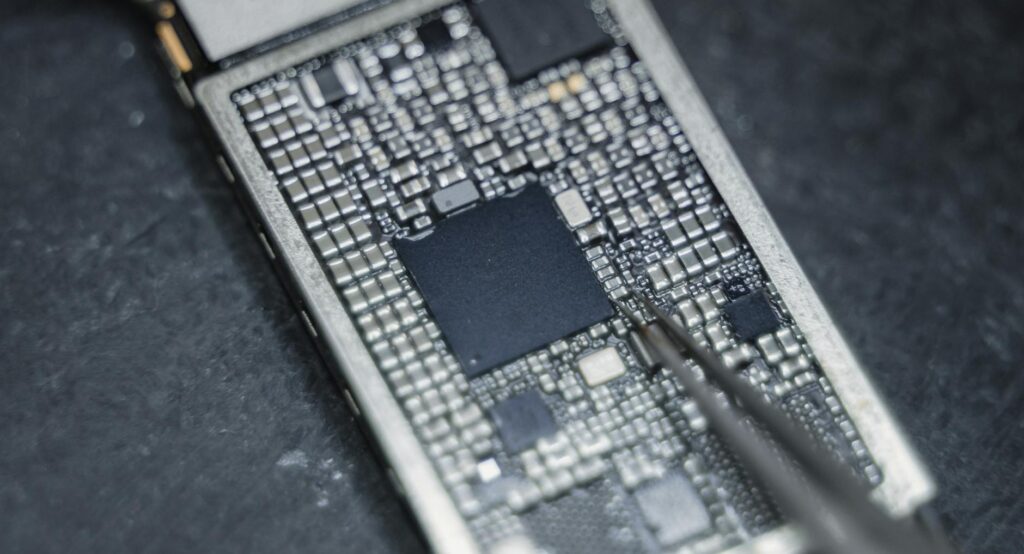
Japan China Gallium Semiconductor Battery Warning: Global Supply Chains Under Pressure
The global technology sector is facing unprecedented pressure as China tightens its grip on critical raw materials. A recent warning from Japan illuminates the profound implications of China’s export controls on materials like gallium, germanium, and antimony. These elements are indispensable for the production of advanced semiconductors and high-performance batteries, components that underpin modern electronics, electric vehicles, and defense systems. The situation highlights a growing geopolitical tension and a strategic recalibration of global supply chains, forcing nations and industries to confront potential disruptions and seek alternative sourcing strategies.
Last updated: April 22, 2026
In response to escalating international sanctions and trade restrictions, China has implemented significant export controls on gallium, germanium, and antimony. This move, detailed by AP News (December 2024), is seen as a strategic retaliatory measure and a demonstration of China’s use in the global market. Japan, heavily reliant on these materials for its own strong electronics industry, has publicly sounded the alarm, warning of the severe threats posed by these controls to international chip manufacturing. The Financial Times reported on Japan’s concerns in February 2025, emphasizing the potential for widespread impact across allied nations.
what’s Gallium and Why is it Critical?
Gallium is a soft, silvery-white metal that’s a byproduct of aluminum refining. Its unique electronic properties make it essential for a range of high-tech applications. Gallium Arsenide (GaAs) is a especially important compound, used in high-frequency and high-power electronics. This includes components for 5G telecommunications infrastructure, satellite communications, radar systems, and high-efficiency solar cells. Also, gallium is a key component in Light Emitting Diodes (LEDs) — which are ubiquitous in lighting and display technology.
The semiconductor industry’s dependence on gallium is substantial. According to Sourceability (December 2024), the impact of China’s ban on gallium, germanium, and antimony on semiconductor companies could be far-reaching. Gallium’s ability to facilitate faster electron movement compared to silicon makes it ideal for high-speed transistors and integrated circuits used in advanced computing and communication devices. Without reliable access to gallium, the development and production of next-generation semiconductor technologies could face significant delays and increased costs.
The Role of Gallium in Battery Technology
Beyond semiconductors, gallium plays a role, albeit less direct, in certain advanced battery technologies. While lithium-ion batteries currently dominate the market, research into next-generation battery chemistries is ongoing. Some experimental battery designs incorporate gallium alloys or use gallium-based compounds for improved performance, faster charging capabilities, or enhanced safety. For instance, gallium can be used in solid-state electrolytes or as an additive to improve the conductivity and stability of battery materials. The Glass Almanac highlighted in May 2025 that China’s control over gallium production could influence the future trajectory of battery development, impacting the transition to cleaner energy and advanced mobility solutions.
The implications for the electric vehicle (EV) market and renewable energy storage are significant. As nations strive to reduce carbon emissions, the demand for efficient and powerful batteries is soaring. Any disruption in the supply of critical materials like gallium could hinder the scaling of these essential technologies. This dependency creates a vulnerability that China can potentially exploit, as suggested by East Asia Forum in February 2025, regarding how China weaponizes its dominance in critical minerals trade.
China’s Dominance in Gallium and Other Critical Minerals
China currently dominates the global supply of gallium, germanium, and antimony. This dominance isn’t accidental. it’s the result of strategic investments in mining, refining, and processing capabilities over several decades. According to Glass Almanac (May 2025), China controls a significant portion of the global output for these materials, making it a critical supplier to the rest of the world, including the United States and Japan. This monopolistic or near-monopolistic position grants China considerable use in international trade negotiations and geopolitical disputes.
The United States and its allies have recognized this dependency as a strategic vulnerability. Efforts have been underway to diversify supply chains and reduce reliance on China for critical minerals. However, establishing new mining operations and refining facilities for these specialized materials is a complex, capital-intensive, and time-consuming process. It requires significant investment, advanced technological know-how, and navigating stringent environmental regulations. The temporary lifting of rare earth export controls by China in November 2025, as reported by Discovery Alert, signals the dynamic and often unpredictable nature of these trade policies.
Japan’s Alarm and the Semiconductor Supply Chain Warning System
Japan’s warning is especially significant given its status as a global leader in semiconductor manufacturing and advanced technology. The nation’s Ministry of Economy, Trade and Industry (METI) has expressed deep concern over the potential disruption to its industries. The reliance on Chinese-sourced gallium for high-performance chips used in everything from smartphones to industrial equipment poses a direct threat to Japan’s economic security and technological competitiveness.
In an effort to counter such vulnerabilities, the US, South Korea, and Japan are piloting a supply chain warning system. Supply Chain Dive reported on this initiative in October 2023. This system aims to improve transparency and collaboration among key allies to identify and mitigate potential supply chain disruptions before they escalate. By sharing information and coordinating responses, these nations hope to build a more resilient and secure supply of critical components and raw materials.
Geopolitical Implications and Trade Tensions
The export controls imposed by China aren’t merely economic decisions. they’re potent geopolitical tools. By using its dominance in critical materials, China can exert pressure on countries that have imposed sanctions or adopted policies perceived as hostile. This strategy aims to disrupt the supply chains of its rivals, thereby influencing their economic stability and strategic decision-making. Reuters reported in August 2024 on China’s use of antimony controls as a warning signal, illustrating a pattern of strategic resource management.
This escalating trade friction has broader implications for global alliances and international trade relations. Countries are being forced to choose sides or develop strong strategies to Handle these complex geopolitical currents. The semiconductor industry, in particular, is highly globalized, with intricate supply chains spanning multiple countries. Disruptions in one area can have cascading effects worldwide, impacting everything from consumer electronics prices to the availability of advanced military hardware.
 ▶
▶
Japan sounds the alarm : China takes control of global chip and battery production using gallium
Impact on Semiconductor Companies and Costs
Semiconductor manufacturers are now facing a critical juncture. The immediate impact of China’s export restrictions is a potential shortage and a significant increase in the price of gallium and related materials. Companies that rely heavily on these inputs must scramble to secure alternative sources — which may be more expensive or less readily available. This could lead to higher production costs for semiconductors — which will inevitably be passed on to consumers in the form of more expensive electronic devices.
For companies like NVIDIA, Intel, or TSMC, securing a stable supply of gallium is really important. These firms are at the forefront of semiconductor innovation, and any interruption to their supply chain could stifle their research and development efforts and impact their market share. The cost of gallium has historically been volatile, but China’s export controls are expected to introduce a new level of uncertainty and price escalation. While the exact price fluctuations are difficult to predict, industry analysts anticipate a substantial rise in the cost of gallium-based components.
Strategies for Mitigation and Diversification
Given these warnings, industries and governments are accelerating efforts to diversify their supply chains. Several strategies are being pursued:
- Investing in Domestic Production: Governments in the US, Japan, and Europe are providing incentives for domestic mining and refining of critical minerals, including gallium. This aims to reduce reliance on any single country.
- Developing Alternative Materials: Research is underway to find substitutes for gallium in certain applications. While challenging due to gallium’s unique properties, advancements in material science may yield viable alternatives.
- Securing Long-Term Contracts: Companies are seeking to establish long-term supply agreements with producers outside of China, ensuring a more stable and predictable flow of materials.
- Recycling and Circular Economy: Enhancing the capabilities for recycling gallium and other critical materials from electronic waste can contribute to a more sustainable and secure supply.
The development of new gallium production facilities outside of China is a major undertaking. For example, the United States has historically imported most of its processed gallium. Establishing new refining capacity requires significant capital investment, advanced technological expertise, and a stable regulatory environment. Companies like Wikipedia notes that gallium is produced in countries like Kazakhstan and Ukraine, but China’s refining capacity remains dominant. Therefore, building out these alternative supply chains will take time and concerted effort.
The Broader Impact on the Battery Market
While the immediate focus is often on semiconductors, the implications for the battery market are also profound. Gallium’s role in advanced battery research means that disruptions could slow down the development of next-generation energy storage solutions. Here’s especially concerning given the global push towards electrification and renewable energy.
The electric vehicle sector, a major driver of battery demand, could face higher costs for battery components or delays in the introduction of new battery technologies. This could impact vehicle prices and the pace of EV adoption. Similarly, the renewable energy sector — which relies on large-scale battery storage to stabilize power grids, might experience challenges in scaling up operations if advanced battery materials become scarce or prohibitively expensive.
Antimony and Germanium: Other Critical Materials
The export controls extend beyond gallium to include germanium and antimony. Germanium is another Key element for semiconductors, especially for high-performance transistors and infrared optics. Antimony is vital for flame retardants used in electronics and textiles, as well as in lead-acid batteries. China’s control over these materials, as evidenced by its antimony controls mentioned by Reuters (August 2024), adds another layer of complexity to global supply chain security.
The interconnectedness of these materials means that disruptions in one can impact the availability and cost of others. For instance, antimony is used in some battery applications, and its restricted export could indirectly affect battery production costs. The complete nature of China’s controls highlights a strategic effort to exert influence across a broad spectrum of critical industries.
Frequently Asked Questions
what’s the primary reason for China’s export controls on gallium?
China has implemented export controls on gallium and other critical materials primarily as a retaliatory measure against international sanctions and trade restrictions imposed by countries like the United States. It also serves to assert its use in the global supply chain for these essential components.
How does Japan view China’s actions regarding gallium exports?
Japan views China’s export controls on gallium with significant alarm. As a major player in the global semiconductor and electronics industries, Japan is highly concerned about the potential disruption to its own manufacturing capabilities and technological advancements, warning of severe threats to international chip production.
Are there readily available substitutes for gallium in semiconductor manufacturing?
Currently, there are no widespread, direct substitutes for gallium in many of its critical semiconductor applications, such as Gallium Arsenide (GaAs) used in high-frequency electronics. While research into alternative materials is ongoing, gallium’s unique electronic properties make it difficult to replace in high-performance applications.
what’s the likely impact of these controls on the cost of electronic devices?
The export controls are expected to lead to increased prices for gallium and related semiconductor components. You’ll likely translate into higher costs for a lots of electronic devices, including smartphones, computers, and advanced communication equipment, as manufacturers face greater input costs.
How are countries like the US and Japan responding to these supply chain risks?
The US and Japan, along with South Korea, are actively responding by piloting a supply chain warning system to enhance collaboration and transparency. they’re also investing in domestic production capabilities, exploring alternative materials, securing long-term contracts with non-Chinese suppliers, and promoting recycling initiatives to build more resilient supply chains.
Conclusion: Navigating a New Era of Supply Chain Uncertainty
The Japan China gallium semiconductor battery warning is more than just a trade dispute. it signals a fundamental shift in global supply chain dynamics. China’s strategic use of its dominance in critical materials like gallium, germanium, and antimony is forcing a global re-evaluation of resource dependency. For industries reliant on these elements, the immediate future is characterized by uncertainty and a pressing need for diversification. Companies and governments must act decisively to build strong, resilient supply chains capable of withstanding geopolitical pressures. This includes investing in domestic production, building innovation in alternative materials, and strengthening international cooperation. The era of unquestioned reliance on single-source supply chains for critical technologies is over, and the proactive measures taken today will determine technological competitiveness and economic stability for years to come.
Editorial Note: This article was researched and written by the Inhapx editorial team. We fact-check our content and update it regularly. For questions or corrections, contact us.