
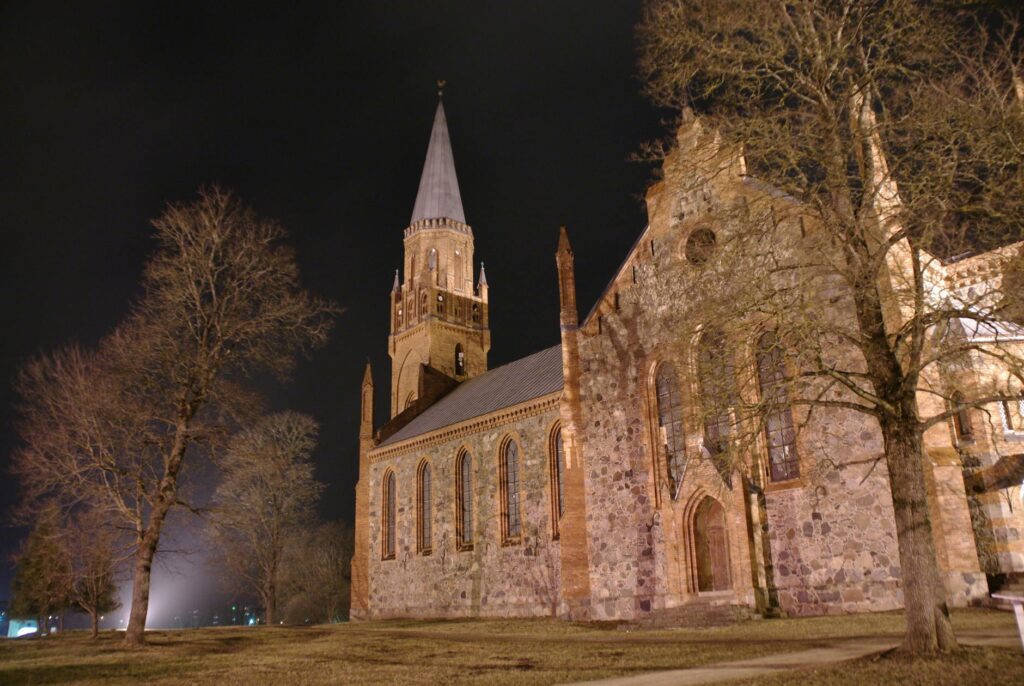
Lutheranism: what’s It? A Snapshot of a Global Faith
This guide covers everything about lutheran what’s. In 2023, an estimated 83 million people identify as Lutheran worldwide, making it one of the largest Protestant traditions. But what’s Lutheranism, at its heart? It’s a faith deeply rooted in scripture, centered on God’s grace, and driven by a commitment to living out that faith in the world. This tradition emerged from the work of Martin Luther, a German theologian whose challenges to certain practices of the Roman Catholic Church in the early 16th century sparked the Protestant Reformation. Understanding Lutheranism involves looking at its foundational beliefs, its historical journey, and its diverse expressions across the globe.
Last updated: April 22, 2026
The Spark: Martin Luther and the Reformation
The story of Lutheranism begins with Martin Luther. He was an Augustinian friar and professor of theology who, in 1517, famously posted his Ninety-five Theses on the door of the Castle Church in Wittenberg, Germany. This act is widely seen as the catalyst for the Reformation. Luther wasn’t initially seeking to start a new church. he was a scholar deeply troubled by what he perceived as theological errors and corrupt practices within the Catholic Church, especially the sale of indulgences. According to Britannica (2023), the Ninety-five Theses questioned the Pope’s power to grant pardons for sins and urged a scholarly debate on the matter. This debate, however, quickly escalated, capturing the attention of princes, scholars, and ordinary people across Europe.
Luther’s core theological insights, developed over years of study and struggle, became the bedrock of Lutheranism. He emphasized that salvation is a free gift from God, received through faith in Jesus Christ alone, and not earned through good works or human merit. This doctrine, known as sola fide (by faith alone), became a central tenet distinguishing Lutheran theology from other Christian traditions.
Core Beliefs: What Do Lutherans Believe?
At its core, Lutheranism is a religion centered on God’s grace. The central message is one of salvation through faith in Jesus Christ. This isn’t just a historical belief. it’s a living, breathing aspect of Lutheran practice. Here are some key tenets:
The Authority of Scripture
Lutherans hold the Bible to be the inspired Word of God and the ultimate authority for faith and life. This principle, known as sola scriptura (by Scripture alone), means that all doctrines and practices are to be tested against the teachings of the Bible. The Bible is seen as God’s revelation of Himself and His will for humanity, especially as it points to Jesus Christ.
Justification by Faith
Perhaps the most distinctive doctrine of Lutheranism is justification by faith alone. Luther wrestled for years with the question of how a sinful human being can be declared righteous before a holy God. He concluded, through his study of Scripture — that righteousness isn’t something we achieve, but something God grants as a gift. According to the International Lutheran Council (2024), justification is God’s act of declaring sinners righteous, pardoning their sins and imputing the righteousness of Christ to them, solely on the basis of faith in Christ’s atoning sacrifice. Good works are seen as a natural result of this faith, not a means to earn salvation.
The Sacraments
Lutherans recognize two sacraments instituted by Christ: Holy Baptism and Holy Communion (also called the Lord’s Supper or the Eucharist). they’re understood as visible means through which God bestows His grace. Baptism is seen as God’s action of bringing a person into His covenant, conferring forgiveness of sins, and uniting them with Christ. In Holy Communion, Lutherans believe that Christ is truly present—Body and Blood—in, with, and under the consecrated bread and wine, offering forgiveness and strengthening faith.
The Priesthood of All Believers
Luther taught that all baptized Christians are priests in a spiritual sense. This doesn’t negate the need for ordained ministry but emphasizes that every believer has direct access to God through Christ and is called to serve God and neighbor in their daily lives. This concept empowers laypeople and highlights the spiritual equality of all Christians before God.
The Augsburg Confession: A Defining Document
While the Bible is the ultimate authority, the Augsburg Confession, presented to Emperor Charles V in 1530, works as a primary summary of Lutheran beliefs. It outlines the core tenets of the faith and distinguishes them from other Christian traditions of the time. It’s a foundational document for many Lutheran denominations. According to the Lutheran Church—Missouri Synod (LCMS) (2022), the Augsburg Confession remains a vital statement of what Lutherans believe the Holy Scriptures teach.
The Augsburg Confession isn’t meant to replace Scripture, but to articulate its message clearly. It addresses key theological issues such as justification, the nature of the Church, free will, and the sacraments. Understanding this document provides a clearer picture of what Lutheranism is and its historical context.
Lutheranism Beyond Doctrine: Practice and Community
what’s Lutheranism like in daily life? It’s a faith lived out in community, worship, and service. Lutheran churches worldwide often share common liturgical practices, with worship services typically following a structured order that includes hymns, scripture readings, a sermon, and Holy Communion.
Worship and Liturgy
Lutheran worship is often described as liturgical, meaning it follows a set pattern. This pattern, rooted in ancient Christian tradition, is seen as a way to faithfully proclaim the Gospel. Hymns play a significant role, with many well-known composers and hymn writers emerging from the Lutheran tradition, such as Johann Sebastian Bach, whose cantatas often set biblical texts to music.
Service and Social Ministry
Lutherans are called to active service in the world, reflecting their faith. Many Lutheran organizations are involved in social ministries, including disaster relief, education, healthcare, and social justice advocacy. For example, The Lutheran World Federation (LWF), founded in 1947, is a global communion of 145 churches in 98 countries, with a significant focus on humanitarian aid and development work. Their stated mission involves promoting justice, peace, and reconciliation (LWF, 2023).
This commitment to service stems from the belief that faith expressed through love for one’s neighbor is a vital part of Christian living. Here’s often summarized by the phrase ‘faith active in love.’
Global Reach and Diversity
While originating in Germany, Lutheranism has spread globally. Major Lutheran bodies exist in countries like the United States, Canada, Australia, New Zealand, India, Tanzania, and many parts of Africa and Asia. The largest Lutheran church body in the world is the Evangelical Lutheran Church in Tanzania (ELCT), with over 6 million members. This global presence means that while core doctrines remain, cultural expressions of Lutheranism can vary significantly.
The diversity within Lutheranism is also seen in its various synods and denominations. For instance, in the United States, major bodies include the Evangelical Lutheran Church in America (ELCA), The Lutheran Church—Missouri Synod (LCMS), and the Wisconsin Evangelical Lutheran Synod (WELS). While all identify as Lutheran, they may have differences in theological interpretation, church governance, and social stances. For example, according to the Pew Research Center (2019), differing views on social issues like LGBTQ+ inclusion exist among these denominations.
Practical Tips for Understanding Lutheranism
If you’re interested in learning more about Lutheranism, here are a few practical steps:
- Visit a Local Lutheran Church: The best way to understand a faith tradition is often to experience it. Many Lutheran churches welcome visitors to their worship services and events. You can find local congregations through online directories of major Lutheran bodies.
- Read Key Texts: Familiarize yourself with foundational documents like the Book of Concord — which contains the Augsburg Confession and other confessional writings. Many of these are available online for free.
- Engage in Conversation: If you know Lutherans, don’t hesitate to ask respectful questions about their beliefs and practices. Most are happy to share their faith journey.
- Explore Reputable Online Resources: Websites of major Lutheran denominations, theological institutions (like Luther Seminary), and organizations like the International Lutheran Council offer a wealth of information.
Frequently Asked Questions
Is Lutheranism Catholic or Protestant?
Lutheranism is considered a major branch of Protestant Christianity. It originated during the Protestant Reformation in the 16th century as a movement to reform the Roman Catholic Church, led by Martin Luther.
what’s the main difference between Lutherans and other Protestants?
While sharing many core Protestant beliefs, Lutherans place a strong emphasis on justification by faith alone, the real presence of Christ in Holy Communion, and the authority of Scripture as interpreted through the Augsburg Confession.
Do Lutherans believe in saints?
Lutherans honor saints as examples of faith and good works, but they don’t pray to them. They believe that prayer should be directed only to God, through Jesus Christ.
what’s the role of Martin Luther in Lutheranism today?
Martin Luther is revered as the primary figure of the Reformation and the founder of Lutheranism. His theological insights, especially regarding justification by faith, remain central to Lutheran doctrine and practice.
How many sacraments do Lutherans recognize?
Lutherans officially recognize two sacraments instituted by Christ: Holy Baptism and Holy Communion (the Lord’s Supper), viewing them as visible means through which God conveys His grace.
Conclusion: A Faith Rooted in Grace
So, what’s Lutheranism? It’s a vibrant Christian tradition defined by its deep trust in God’s grace, the centrality of Scripture, and the understanding that salvation is a gift received through faith in Jesus Christ. From its 16th-century origins spurred by Martin Luther’s courageous stand to its diverse global presence today, Lutheranism continues to impact millions. Whether you’re exploring different faith traditions or seeking to understand a neighbor’s beliefs, grasping these core elements offers a solid foundation.
Editorial Note: This article was researched and written by the Inhapx editorial team. We fact-check our content and update it regularly. For questions or corrections, contact us.