Papua New Guinea: South Pacific’s Unspoiled Frontier
This guide covers everything about papua new guinea south pacific. Imagine a place where ancient traditions thrive amidst emerald rainforests and turquoise waters, a destination largely untouched by mass tourism. That place is Papua New Guinea (PNG), a sprawling archipelago nation nestled in the southwestern Pacific Ocean. While often overshadowed by its more popular island neighbors, PNG offers an astonishingly rich cultural tapestry and breathtaking natural beauty that can be surprisingly accessible for the budget-conscious traveler. Forget crowded beaches and inflated prices. Here’s where true adventure and authentic encounters await.
Last updated: April 22, 2026
Is Papua New Guinea a good destination for budget travelers seeking unique South Pacific experiences? Yes, Papua New Guinea can be an excellent destination for budget travelers if planned correctly. While some aspects like internal flights can be costly, focusing on local transport, homestays, and seeking out community-based tourism initiatives can reduce expenses while offering richer cultural immersion.
Why Choose PNG for Your Next South Pacific Adventure?
PNG is unlike any other destination in the region. It’s home to over 800 indigenous languages, each with its unique customs and traditions. This incredible diversity means that every region, and often every village, offers a distinct cultural experience. From the elaborate sing-sings of the Highlands to the intricate carvings of the Sepik River, the opportunities for discovery are endless. Plus, its relatively low tourism numbers mean you’re more likely to have authentic interactions without the crowds.
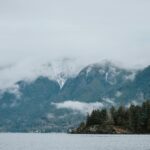
The sheer variety of landscapes is another major draw. You’ll find volcanic mountains, dense jungles teeming with unique wildlife (like the bird of paradise), pristine coral reefs, and remote islands. This makes it a dream destination for hikers, divers, birdwatchers, and anyone who loves great outdoors. According to World Wildlife Fund (2023), New Guinea is one of the most biodiverse places on Earth, with a significant portion of its species found nowhere else.
Navigating PNG: Getting Around on a Budget
Transportation is often the biggest expense when traveling in PNG. Internal flights are the quickest way to cover long distances, but they can be pricey. Companies like Air Niugini are the primary carriers, and booking well in advance can sometimes yield better fares. However, for the budget traveler, embracing local transport is key.
Public buses, known as ‘PMVs’ (Public Motor Vehicles), are the lifeblood of transport for many Papua New Guineans. they’re incredibly affordable, though often crowded and slow. Traveling by PMV offers a fantastic opportunity to mingle with locals and witness daily life firsthand. Be prepared for bumpy rides and make sure your luggage is secure. For trips between islands, ferries and smaller boat services are available, though schedules can be erratic.
Practical Tip: Always confirm PMV routes and schedules with locals before you set off, as information can be hard to come by. Pack light and be patient – the journey is part of the adventure!
Accommodation: From Homestays to Eco-Lodges
PNG offers a range of accommodation options, catering to different budgets. While luxury resorts exist, especially around Port Moresby, the real value lies in more local options.
- Homestays: This is arguably the most rewarding and budget-friendly way to experience PNG culture. Many communities offer homestays where you live with a local family, share meals, and participate in daily activities. Expect basic but clean facilities. The cost can be as low as $20-$40 USD per night, often including meals.
- Guesthouses and Lodges: These offer a step up in comfort from homestays, with private rooms and sometimes en-suite bathrooms. Prices vary widely, but you can find options for $50-$100 USD per night, especially in regional towns.
- Eco-Lodges: Located in stunning natural settings, these lodges often focus on sustainability and community involvement. They can range from rustic to comfortable and provide excellent access to nature and cultural activities. Expect prices from $80-$150 USD per night.
Research Tip: Look for community-based tourism projects. Organizations like the PNG Tourism Promotion Authority can often point you towards legitimate and well-run community initiatives. Check out Tourism PNG for official listings.
Cultural Immersion: Experiencing PNG’s Vibrant Traditions
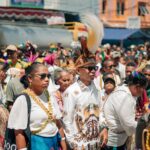
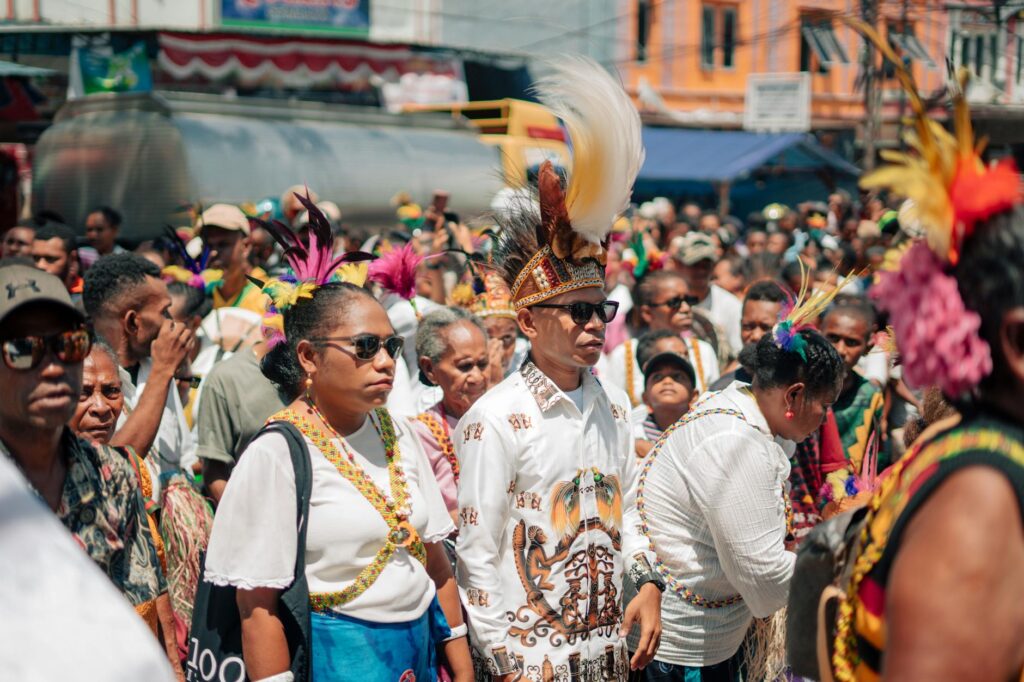
The heart of any trip to Papua New Guinea lies in its people and their traditions. The country hosts numerous cultural festivals throughout the year, known as ‘sing-sings’. These events are spectacular displays of traditional dress, music, and dance. The Goroka Show (usually held in September) and the Mount Hagen Show (around August) are two of the most famous, drawing participants from across the Highlands. Attending a sing-sing offers an unforgettable glimpse into the diverse cultural heritage.
Beyond festivals, engaging with local communities is essential. Villages along the Sepik River are renowned for their ancestral spirit houses and intricate wood carvings. Trekking the historic Kokoda Track offers not only a physical challenge but also encounters with local communities along the route. Remember that respect is really important. Always ask permission before taking photos of people and be mindful of local customs.
“The warmth and hospitality of the people in PNG were astounding. Despite the language barriers at times, smiles and shared cups of tea bridged the gap. It felt like stepping back in time, but with incredibly welcoming hosts.”
– Based on traveler testimonials
Budgeting for Your PNG Trip: Key Costs to Consider
While PNG can be done on a budget, it’s important to be realistic. It’s not Southeast Asia or even Fiji in terms of low-cost travel. Here’s a breakdown:
| Category | Estimated Daily Budget (USD) | Notes |
|---|---|---|
| Budget Backpacker | $50 – $75 | Homestays, PMVs, self-catering where possible. |
| Mid-Range Traveler | $100 – $150 | Guesthouses, mix of PMVs and occasional flights, some restaurant meals. |
| Comfort Traveler | $200+ | Hotels/lodges, frequent flights, guided tours. |
Major Expenses:
- International Flights: Can be significant depending on your origin. Book early!
- Internal Flights: Essential for covering large distances quickly. Budget around $150-$300 per flight segment if needed.
- Tours and Activities: Guided treks, diving trips, and cultural tours can add up. Research operators like Tribal Voyages for potential package deals.
- Visa: Check the latest visa requirements for your nationality well in advance.
Money-Saving Tip: Traveling with a companion can help split costs for accommodation and some tours. Also, carrying some US Dollars (USD) can be useful for exchanging into the local currency, the Kina (PGK), and is sometimes accepted for larger purchases or tours.
Safety and Health Considerations for Travelers
Safety is a valid concern for many considering PNG. While petty crime exists, especially in urban areas like Port Moresby, violent crime is often exaggerated in media reports. According to the Australian Department of Foreign Affairs and Trade (2024), they advise exercising a high degree of caution. Sticking to tourist areas, avoiding walking alone at night, and using reputable transport are sensible precautions.
Health-wise, it’s Key to consult your doctor or a travel clinic at least 4-6 weeks before your trip. Vaccinations for diseases like Hepatitis A, Typhoid, and Tetanus are generally recommended. Malaria is present in many areas, so prophylactic medication may be advised. Drink bottled or purified water only. Pack a basic first-aid kit, including insect repellent with DEET.
Essential Phrases and Cultural Etiquette
While English is an official language, along with Tok Pisin and Hiri Motu, learning a few basic phrases in Tok Pisin can go a long way in building goodwill. Simple greetings like “Hullo” (Hello) and “Tenkiu” (Thank you) are appreciated.
Key Etiquette Points:
- Dress modestly, especially when visiting villages. Cover shoulders and knees.
- Always ask permission before entering a village or taking photographs.
- Accepting offered food or drink is polite, but ensure it’s safe to consume.
- Gifts aren’t expected but can be appreciated – simple items like pens or sweets for children are often suitable, but ask your guide first.
- Patience and a positive attitude are your best assets when dealing with the unexpected.
Frequently Asked Questions
what’s the best time of year to visit Papua New Guinea?
The dry season, typically from May to October, is generally considered the best time to visit PNG. During these months, rainfall is lower, making travel easier, especially for trekking and exploring remote areas. However, this is also peak season for cultural festivals.
Is it safe to travel to Papua New Guinea independently?
While independent travel is possible, especially in more developed areas or along popular routes like the Kokoda Track, it requires significant planning and awareness. For a first-time visitor, especially on a budget, engaging local guides or joining small group tours can enhance safety, provide cultural insights, and often prove more cost-effective than navigating complex logistics alone.
How much does a typical trip to Papua New Guinea cost?
A budget trip can range from $50-$75 USD per day per person, excluding international flights. This involves staying in homestays, using local transport (PMVs), and eating local food. Mid-range travelers might spend $100-$150 per day. Costs can escalate quickly with internal flights and organized tours.
What are the must-see cultural experiences in PNG?
Key cultural experiences include attending a sing-sing festival like the Goroka Show or Mount Hagen Show, visiting traditional villages along the Sepik River to see spirit houses and carvings, and learning about the WWII history along the Kokoda Track. Community-based tourism offers deeper, more personal interactions.
Do I need a visa for Papua New Guinea?
Visa requirements vary by nationality. Many nationalities require a visa in advance. It’s essential to check the latest information with the official Papua New Guinea immigration website or your local embassy or consulate well before your travel dates.
Final Thoughts on Your PNG Adventure
Papua New Guinea presents a unique South Pacific opportunity for travelers seeking authenticity, adventure, and cultural depth without necessarily needing a huge budget. By embracing local transport, opting for homestays or community lodges, and focusing your itinerary on specific regions rather than trying to see everything, you can create an incredibly rewarding and affordable journey. PNG demands a spirit of adventure and a willingness to step outside your comfort zone, but the rewards—unforgettable encounters and breathtaking discoveries—are immeasurable.
Editorial Note: This article was researched and written by the Inhapx editorial team. We fact-check our content and update it regularly. For questions or corrections, contact us.