British Columbia: Canada’s Westernmost Province
Imagine a place where the mighty Pacific Ocean meets towering, snow-capped mountains — where ancient rainforests teem with life, and vibrant cities buzz with culture. That place is British Columbia. If you’ve ever wondered where’s British Columbia, you’re in for a treat. This Canadian province is Canada’s westernmost jewel, a land of breathtaking diversity and unparalleled natural beauty. It’s a destination that captivates adventurers, nature lovers, and urban explorers alike.
Last updated: April 22, 2026
The Direct Answer: Pinpointing British Columbia
British Columbia is located on the west coast of Canada. It shares a southern border with the United States (In particular Washington, Idaho, and Montana), an eastern border with the Canadian provinces of Alberta and Yukon, and is bordered by the Pacific Ocean to the west and the Arctic Ocean to the north.
Geographic Marvels: Mountains, Oceans, and Islands
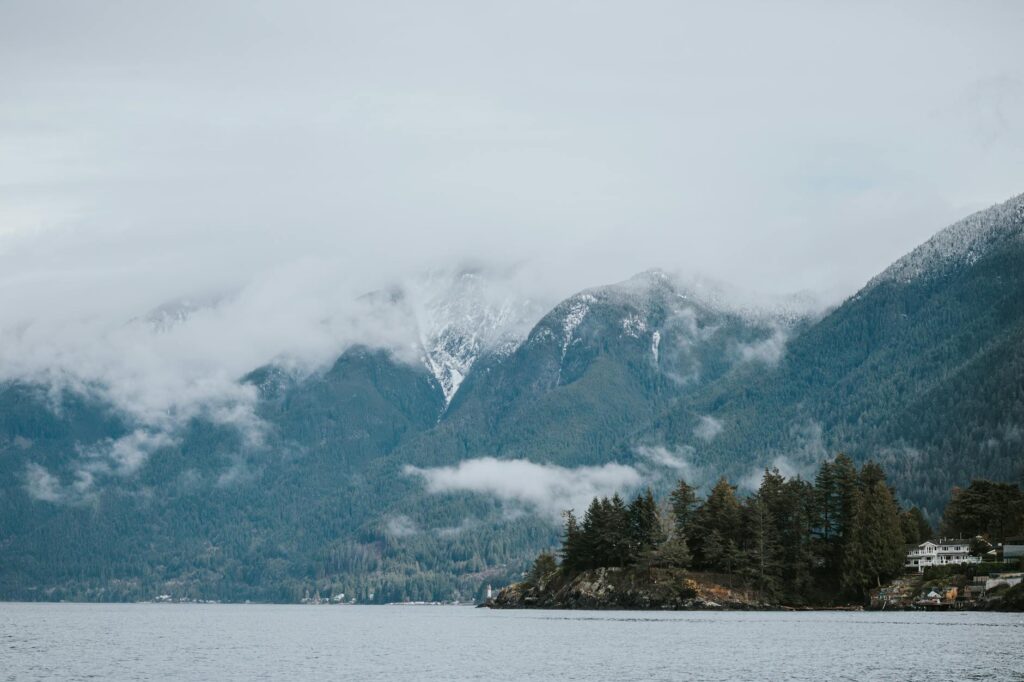
British Columbia’s geography is its most defining characteristic. The province is famously divided by the Coast Mountains and the Cascade Mountains running north-south. To the east of these ranges lie the rugged, awe-inspiring Rocky Mountains, forming a natural border with Alberta. This dramatic topography creates a stunning backdrop for life in BC.
The western edge of the province is defined by its extensive coastline along the Pacific Ocean. This isn’t just a simple shoreline. it’s a complex network of inlets, fjords, and thousands of islands. The largest and most famous of these is Vancouver Island, home to the provincial capital, Victoria, and the bustling city of Vancouver. The Queen Charlotte Islands (Haida Gwaii) are another significant archipelago, rich in Indigenous culture and natural wonders.
A Tale of Two Climates: Coastal Calm vs. Interior Extremes
When people ask where’s British Columbia, they often want to know what it feels like to be there. The climate varies dramatically across the province, thanks to its size and varied terrain. Coastal BC, influenced by the Pacific Ocean, enjoys a temperate rainforest climate. Think mild, wet winters and warm, dry summers. Vancouver, for instance, receives significant rainfall, especially from October to March, but rarely experiences heavy snow. According to Environment and Climate Change Canada (2023), Vancouver receives an average of 1,210 mm of precipitation annually, mostly as rain.
Venture inland, and the climate shifts. The interior regions, shielded from the Pacific’s moderating influence by the mountain ranges, experience continental climates. This means hotter summers with temperatures often soaring above 30°C (86°F) and much colder winters with significant snowfall, especially in mountainous areas. The Okanagan Valley, for example, is known for its hot, dry summers and is a major wine-producing region.
Key Cities and Cultural Hubs
While BC’s natural beauty is really important, its urban centers are vibrant and diverse. Vancouver is the largest city and a major international gateway. It’s a multicultural metropolis known for its stunning setting between mountains and sea, its thriving film industry (often called “Hollywood North”), and its excellent culinary scene. Don’t miss Stanley Park, a massive urban oasis offering incredible views and recreational opportunities.
Victoria, located on the southern tip of Vancouver Island, offers a more laid-back, historic charm. Its British colonial heritage is evident in its architecture, including the iconic Fairmont Empress Hotel and the Parliament Buildings. It’s a beautiful city for walking and exploring.
Other notable cities include Surrey, a rapidly growing urban center near Vancouver. Kelowna, the heart of the Okanagan wine region. and Prince George, a gateway to Northern BC’s vast wilderness.
What to Do: Embracing the BC Experience
The question of where’s British Columbia naturally leads to what you can experience there. BC offers an incredible array of activities catering to every interest:
- Outdoor Adventures: Hiking, skiing, snowboarding, kayaking, whale watching, camping, and wildlife viewing are world-class. Whistler Blackcomb consistently ranks among the top ski resorts globally. The Pacific Rim National Park Reserve on Vancouver Island is a prime spot for storm watching and surfing.
- Cultural Immersion: Explore the rich Indigenous heritage, especially in areas like Haida Gwaii. Visit museums in Vancouver and Victoria, enjoy live theatre, and experience the diverse culinary landscape, influenced by its multicultural population.
- Wine and Food: The Okanagan Valley is BC’s premier wine region, with hundreds of wineries offering tastings. Coastal communities offer incredible fresh seafood, from salmon to oysters.
- Urban Exploration: Wander through Vancouver’s diverse neighborhoods like Granville Island Market or Gastown. Enjoy the scenic beauty of Victoria’s Inner Harbour.
Practical Tips for Visiting
Understanding where’s British Columbia is the first step. Here are some practical tips to make your visit smoother:
- Getting There: Vancouver International Airport (YVR) is the main international gateway. Ferries operated by BC Ferries connect Vancouver Island and the mainland, offering scenic journeys.
- Getting Around: Renting a car is often the best way to explore outside the major cities, especially if you plan to visit national parks. Public transport is excellent within Vancouver and Victoria.
- When to Visit: Summer (June to August) offers the warmest and driest weather, ideal for outdoor activities. Spring and fall are beautiful with fewer crowds, though rain is more common on the coast. Winter is prime time for skiing and snowboarding.
- What to Pack: Layers are key! Even in summer, evenings can be cool, especially near the coast or at higher elevations. Waterproof outerwear is essential for the coast year-round. Sturdy walking shoes are a must.
British Columbia’s Economic Significance
Beyond tourism, British Columbia is a significant economic player in Canada. Its natural resources have historically been Key, with forestry and mining playing major roles. According to Natural Resources Canada (2023), forestry remains a vital industry, contributing billions to the provincial economy. In recent decades, technology, film production, and international trade have become increasingly important sectors.
A Look at the Map: Visualizing BC
To truly grasp where’s British Columbia, visualize a map of North America. Find Canada, then look all the way to its western edge. You’ll see a large province stretching north along the Pacific coast. Its distinctive shape, with its long, indented coastline and mountainous interior, is unmistakable. The 49th parallel forms a significant portion of its southern border with the United States.
Frequently Asked Questions
Is British Columbia part of the United States?
No, British Columbia is a province of Canada. it’s located on the west coast of Canada and shares a border with the United States to its south.
what’s the capital of British Columbia?
The capital city of British Columbia is Victoria, located on the southern tip of Vancouver Island.
What are the main attractions in British Columbia?
Key attractions include the natural beauty of Whistler, the cultural vibrancy of Vancouver, the historic charm of Victoria, the beaches and rainforests of Vancouver Island, and the wineries of the Okanagan Valley. Outdoor activities like skiing, hiking, and whale watching are also major draws.
what’s the climate like in British Columbia?
The climate varies significantly. Coastal areas have mild, wet winters and warm summers. Interior regions experience hotter summers and colder, snowier winters. Northern BC is much colder overall.
Is it expensive to visit British Columbia?
Like many popular tourist destinations, British Columbia can be expensive, especially in major cities like Vancouver and resort areas like Whistler. However, budget travel is possible by staying in hostels, utilizing public transport, and enjoying free outdoor activities like hiking.
Planning Your British Columbia Adventure
Now that you know where’s British Columbia, the next step is planning your visit. Whether you’re drawn by the call of the mountains, the allure of the ocean, or the energy of its cities, BC offers an unforgettable experience. Its stunning geography, diverse climate, and welcoming culture make it a truly special place. Start researching specific destinations like Vancouver, Victoria, or Whistler, and prepare to be amazed by Canada’s Pacific gateway.
Source: Lonely Planet
Related Articles
- Riko Shibata: Journey, Craft &. Impact | Deep Dive Analysis
- Naveed Akram: Court Denies Family Anonymity Bid
- Most Iconic Celebrity Moments in History: A Beginner-to-Advanced Guide
Editorial Note: This article was researched and written by the Inhapx editorial team. We fact-check our content and update it regularly. For questions or corrections, contact us.