
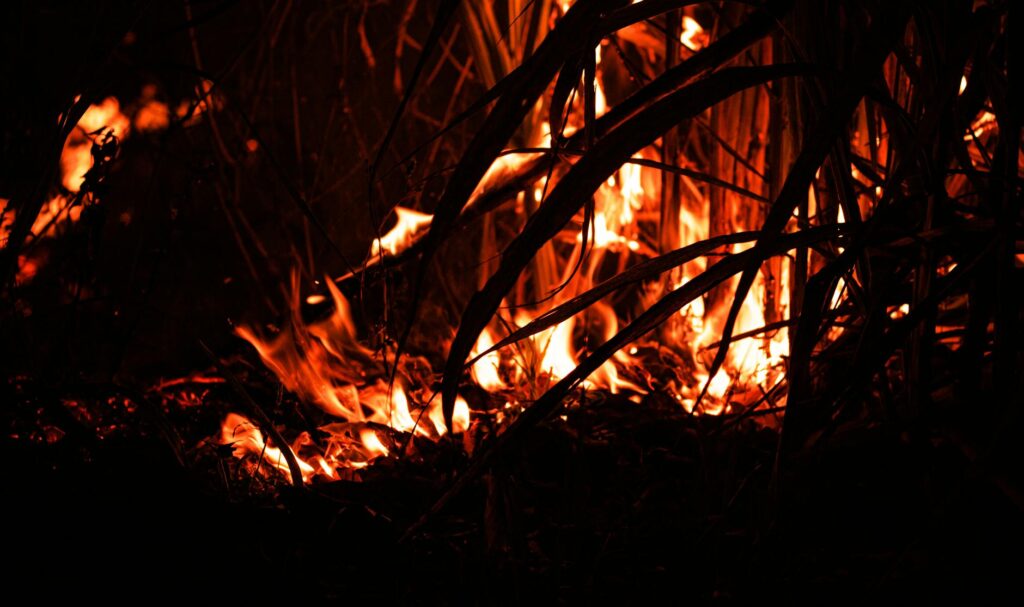
what’s a Jungle Fire?
A fire in jungle, often referred to as a wildfire or bushfire, is an uncontrolled blaze that spreads through vegetated areas, including forests, grasslands, and other wildlands. Unlike controlled burns, these fires are unintentional and can erupt with alarming speed, fueled by dry conditions and flammable vegetation. The Amazon rainforest, for instance, experiences significant fire events, especially during dry seasons, threatening its status as the lungs of the planet.
Last updated: April 22, 2026
The sheer scale of a jungle fire can be overwhelming. These fires don’t just destroy trees. they decimate entire ecosystems, displacing or killing countless animal species and impacting indigenous communities. Recent reports indicate that wildfires are becoming more frequent and intense globally, a trend often linked to climate change and human activity. According to the World Wildlife Fund (2023), wildfires destroy an estimated 10 million acres of forest each year.
The Devastating Impact of Jungle Fires
The consequences of a fire in jungle extend far beyond the immediate destruction. Economically, these fires can cripple regions reliant on agriculture, tourism, and natural resources. The cost of fighting wildfires alone can run into billions of dollars annually. For example, the 2019-2020 Australian bushfires — which burned an estimated 18.6 million hectares, had an economic impact in the tens of billions of dollars.
Ecologically, the loss is immeasurable. Habitats are obliterated, leading to species extinction. The Amazon, home to an estimated 10% of the world’s known species, is especially vulnerable. Fires release massive amounts of carbon dioxide into the atmosphere, exacerbating climate change. This creates a dangerous feedback loop: a warmer planet leads to drier conditions — which in turn increases the risk and intensity of fires.
Socially, fires can displace communities, destroy cultural heritage sites, and lead to long-term health problems due to smoke inhalation. The psychological toll on those who lose their homes and livelihoods is also significant.
Common Causes of Jungle Fires
While natural causes like lightning strikes do ignite fires, Most jungle fires are human-caused. Understanding these causes is the first step toward effective prevention.
Human-Caused Ignitions
Here are the most prevalent culprits. They include:
- Campfires and Bonfires: Improperly extinguished campfires are a leading cause, especially in areas with recreational use. Even a small ember can ignite dry underbrush.
- Discarded Cigarettes: A lit cigarette tossed carelessly from a vehicle or while hiking can easily start a blaze in dry vegetation.
- Arson: Unfortunately, some fires are deliberately set. You can be for various reasons, including land clearing or malicious intent.
- Equipment Malfunctions: Sparks from machinery, vehicles (like a catalytic converter on a truck), or power lines can ignite dry grasses or leaves.
- Agricultural Burning: While sometimes used for land management, uncontrolled agricultural burns can easily spread into surrounding wildlands if not managed properly.
Natural Causes
Natural ignitions are less common but still occur:
- Lightning: Lightning strikes are a natural cause of wildfires, especially in remote areas. However, these often occur during rainstorms — which can help suppress the fire. Dry lightning — which occurs without rain, poses a greater risk.
The Role of Climate Change and Drought
Climate change plays a significant role in increasing the risk and severity of fires. Warmer temperatures and prolonged droughts dry out vegetation, making it more susceptible to ignition and allowing fires to spread more rapidly. According to NASA (2022), global land areas are becoming hotter and drier, creating conditions ripe for wildfires.
This phenomenon is especially concerning in tropical rainforests — which aren’t typically adapted to frequent fires. When these ecosystems experience prolonged dry spells, the accumulation of dead leaves and wood creates a fuel source that can sustain intense blazes. The interaction between drought, heat, and human-caused ignitions creates a dangerous combination that amplifies the destructive potential of any fire in jungle.
Recognizing Fire Risk: What to Look For
conditions that make an area prone to fire is Key for prevention. Several factors contribute to increased fire risk:
- Dry Vegetation: The most obvious indicator is the presence of dry grasses, leaves, and fallen branches. This fuel is easily ignited and burns intensely.
- Low Humidity: When the air is dry, vegetation loses moisture more quickly, becoming more flammable.
- High Winds: Wind is a major factor in fire spread. It provides oxygen to the fire and carries embers long distances, starting new spot fires ahead of the main blaze.
- High Temperatures: Hot weather dries out vegetation and increases the potential for ignition.
Local fire agencies and meteorological services often issue fire weather warnings or red flag warnings when conditions are especially dangerous. It’s essential to pay attention to these advisories.
Essential Jungle Fire Prevention Tips
Preventing a fire in jungle is far more effective and less costly than fighting one. Here are practical tips for individuals and communities:
For Outdoor Enthusiasts
- Be Mindful of Campfires: If campfires are permitted, always clear a 10-foot radius around the fire pit down to bare soil. Never leave a campfire unattended. Ensure it’s completely extinguished by drowning it with water and stirring the ashes until cool to the touch before leaving.
- Properly Dispose of Smoking Materials: Never throw cigarettes or matches on the ground. Use your car’s ashtray or a portable ashtray.
- Maintain Vehicles: Ensure your vehicle’s exhaust system is in good working order, as a hot catalytic converter can ignite dry grass. Avoid parking or driving on dry vegetation.
- Follow Restrictions: Always adhere to any fire bans or restrictions in place for the area you’re visiting.
For Homeowners Near Wildlands
- Create Defensible Space: This involves clearing flammable vegetation around your home. The National Fire Protection Association (NFPA) recommends creating zones with varying degrees of vegetation management, with the area closest to the home being the most cleared (0-5 feet).
- Choose Fire-Resistant Landscaping: Opt for plants that are less flammable and maintain them properly by watering and removing dead material.
- Maintain Gutters and Roofs: Keep roofs and gutters free of leaves and debris — which can easily ignite from embers.
- Inspect Outdoor Structures: Ensure decks, fences, and outbuildings are well-maintained and free of accumulated flammable materials.
Community and Policy Measures
Beyond individual actions, broader strategies are Key:
- Public Education Campaigns: Raising awareness about fire risks and prevention is key. Organizations like Smokey Bear have been instrumental in educating the public for decades.
- Controlled Burns: When managed by trained professionals, controlled burns can reduce fuel loads in forests, lowering the risk of severe wildfires.
- Land Use Planning: Implementing zoning regulations that limit development in high-risk fire areas and promote fire-wise building practices.
- Early Detection Systems: Utilizing lookout towers, aerial patrols, and satellite technology to detect fires in their early stages.
What to Do If You Encounter a Jungle Fire
If you’re in an area where a fire is occurring, your safety is the top priority. Act quickly and calmly:
- Evacuate Immediately: If you’re told to evacuate, do so without delay. Follow designated evacuation routes.
- Stay Informed: Listen to emergency broadcasts and local authorities for updates and instructions.
- Protect Yourself from Smoke: If you can’t evacuate immediately and are exposed to smoke, stay indoors with windows and doors closed. Use a damp cloth to cover your nose and mouth.
- don’t Try to Fight Large Fires: Unless you’re a trained professional with appropriate equipment, attempting to fight a large wildfire is extremely dangerous. Your role is to evacuate and alert authorities if necessary.
Frequently Asked Questions
what’s the single biggest cause of jungle fires?
The single biggest cause of jungle fires globally is human activity, with discarded cigarettes, unattended campfires, and uncontrolled agricultural burns being significant contributors.
Are jungle fires a natural phenomenon?
While lightning strikes can naturally ignite fires, and some ecosystems have evolved with fire, the increasing frequency and intensity of large-scale jungle fires, especially in tropical regions, are heavily influenced by human actions and climate change.
How does drought contribute to jungle fires?
Drought dries out vegetation, making it highly flammable. Low moisture content in plants and soil means they can ignite more easily and burn hotter, allowing fires to spread rapidly and become more difficult to control.
Can a fire in a jungle be stopped once it starts?
Once a large jungle fire starts, it’s incredibly difficult to stop completely. Firefighters use strategies like creating firebreaks, using water and retardants, and backburning, but complete containment often depends on weather conditions like a change in wind or rainfall.
what’s the most important thing to do to prevent jungle fires?
The most important preventative measure is responsible human behavior, such as properly extinguishing campfires, safely disposing of smoking materials, and adhering to fire bans and restrictions.
Conclusion: Vigilance is Key
A fire in jungle is a serious threat to ecosystems, wildlife, and human lives. While natural factors can play a role, human carelessness and the intensifying effects of climate change are major drivers of the increasing wildfire crisis. By causes, recognizing the risks, and diligently practicing prevention tips, we can all contribute to protecting these vital natural environments. Stay informed, be prepared, and act responsibly to minimize the risk of devastating fires.
Editorial Note: This article was researched and written by the Inhapx editorial team. We fact-check our content and update it regularly. For questions or corrections, contact us.