Gorjestan: A Jewel in the Alborz Mountains
Many travelers dream of uncovering hidden gems, places that offer an authentic experience away from the usual tourist trails. If you’ve recently come across the name Gorjestan and are asking yourself, where is Gorjestan, you’re not alone. This fascinating locale is tucked away in a breathtaking part of Iran, In particular within the majestic Alborz Mountain range. Its relative remoteness has preserved a unique cultural identity and a stunning natural environment that beckons the adventurous spirit.
Last updated: April 22, 2026
What’s the Precise Location of Gorjestan?
Gorjestan is situated in the northern Iranian province of Mazandaran, a region known for its lush greenery and impressive mountain vistas. More In particular, it’s located in the central Alborz Mountains — which form a significant natural barrier between the Caspian Sea coast and the central Iranian plateau. The nearest major city is Karaj, the capital of Alborz Province, providing a reference point for its geographical context. While not directly on a major highway, its accessibility is facilitated by well-maintained local roads branching off from routes connecting Karaj and Tehran to the Caspian coast. The area is characterized by its mountainous terrain, with elevations varying offering dramatic scenery and a cooler climate compared to the arid plains of central Iran.
For those seeking to pinpoint Gorjestan on a map, think of it as being south of the Caspian Sea and north of Tehran, deep within the imposing peaks of the Alborz. This positioning influences its climate, culture, and local economy, making it a distinct geographical and cultural pocket within Iran.
Geography and Climate
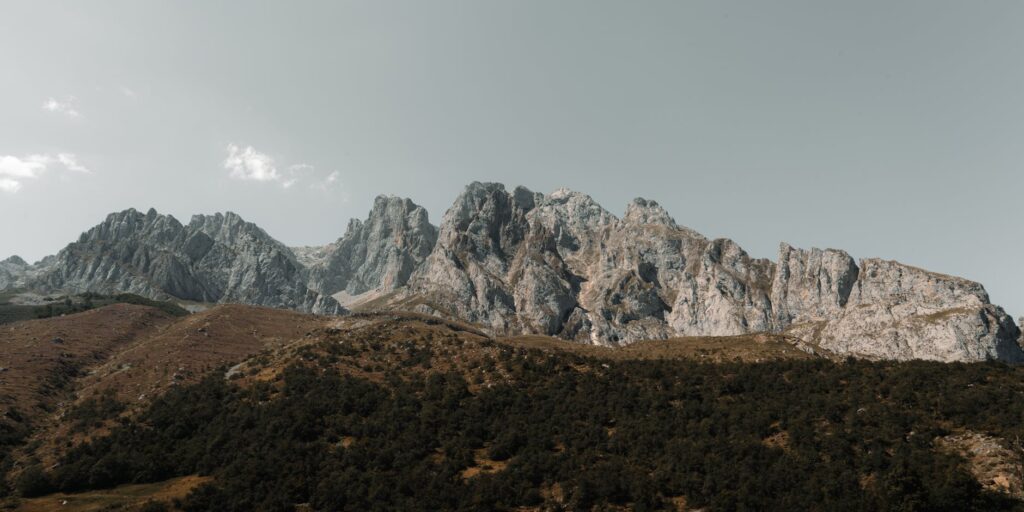
The geography of Gorjestan is dominated by the rugged beauty of the Alborz Mountains. You’ll find steep valleys, soaring peaks, and winding rivers carving their way through the landscape. This terrain shapes the local way of life, with many communities historically relying on agriculture, animal husbandry, and, more recently, tourism. The climate is generally temperate, but with significant variations due to altitude. Summers are pleasant and mild, making it an ideal time for outdoor activities like hiking and exploring. Winters, however, can be harsh, with heavy snowfall that can sometimes make certain areas inaccessible. According to Iran’s Meteorological Organization (2023), average annual precipitation in the Alborz foothills can range from 400mm to over 1000mm, much of which falls as snow in higher elevations during winter months.
This diverse climate supports a rich biodiversity. You can expect to see a variety of flora and fauna adapted to mountainous environments. The surrounding natural beauty is a significant draw, offering opportunities for photography, nature walks, and a peaceful escape from urban life.
A Glimpse into Gorjestan’s Culture and History
Gorjestan, like many regions in Iran, boasts a rich cultural heritage. The name itself, Gorjestan, is believed by some linguists to be derived from “Gurj” or “Gorg,” which historically referred to Georgians or people from the Caucasus region who migrated to parts of Persia centuries ago. This potential historical connection hints at a fascinating mix of influences that may have shaped the local traditions and dialect over time. The area has likely been inhabited for millennia, given its strategic location and natural resources.
Local customs, music, and cuisine often reflect the broader Persian culture but with unique regional variations. Expect warm hospitality from the locals — who often take pride in their heritage. Visiting local villages offers a chance to witness traditional crafts, perhaps intricate carpet weaving or pottery — which are hallmarks of Iranian artistry. The historical significance of the Alborz region itself is vast, having been a natural defense line and a route for trade and migration for empires throughout history. While specific archaeological sites directly within Gorjestan might be less publicized than those in major Iranian cities, the entire region is steeped in history.
What to See and Do in and Around Gorjestan
When you decide to visit Gorjestan, you’ll find a surprising array of activities, primarily centered around its natural beauty and cultural experiences. Hiking is a must. Trails range from gentle walks through valleys to more challenging treks up mountain slopes, offering panoramic views. Popular spots include areas around local villages where you can interact with the community and learn about their daily lives.
For those interested in historical sites, remnants of old caravanserais or ancient watchtowers can be rewarding. The proximity to Tehran and Karaj also means day trips to these larger cities for museums and historical landmarks like the Azadi Tower are feasible. A key aspect of visiting this region is experiencing the local cuisine. Dishes often feature fresh, locally sourced ingredients, with stews, grilled meats, and rice-based meals being staples. Don’t miss trying local bread baked in traditional ovens. According to a BBC report (2022) on Iranian food culture, regional variations in spices and cooking methods are a significant part of the country’s culinary diversity.
Consider visiting during local festivals if your timing aligns, as these events provide the most vibrant display of cultural traditions, music, and dance.
Practical Tips for Visiting Gorjestan
Planning a trip to a less-traveled region like Gorjestan requires a bit more preparation. First, visa requirements for Iran are essential. Ensure you have the necessary documentation well in advance. Travel within Iran can be done via domestic flights, trains, or buses. To reach Gorjestan In particular, hiring a private car or joining a guided tour from Tehran or Karaj is often the most convenient option, especially given the mountainous terrain. Remember that Iran operates on a different calendar and currency (Iranian Rial, IRR). While major cities have ATMs and exchange bureaus, carrying some cash is advisable for rural areas.
Accommodation options might be limited to guesthouses or small, family-run hotels. Booking in advance, especially during peak season (spring and autumn), is highly recommended. Learning a few basic Farsi phrases will go a long way in enhancing your interactions with locals. Respect for local customs and traditions is really important. dress modestly, especially when visiting religious sites or rural villages. The official tourism authority of Iran, Iran Cultural Heritage, Handcrafts and Tourism Organization, provides guidelines on cultural etiquette.
Regarding safety, general travel advisories from your home country should be consulted. However, for regions like Gorjestan, exercising common sense, staying aware of your surroundings, and sticking to marked trails when hiking are standard precautions.
Why Gorjestan is More Than Just a Location
So, where’s Gorjestan? It’s a place that offers a profound connection to nature and culture. It’s not just about the coordinates on a map. it’s about the experience. It’s about breathing in the crisp mountain air, tasting authentic flavors, and witnessing a way of life that has endured for generations. For travelers seeking an escape that nourishes the soul and broadens the mind, Gorjestan presents an unparalleled opportunity.
The Alborz Mountains themselves are a UNESCO World Heritage site candidate, recognized for their geological and ecological significance. This highlights the importance of preserving such areas. Visiting Gorjestan allows you to appreciate the raw beauty of Iran beyond its bustling cities and famous historical monuments. It’s a destination that rewards curiosity and offers a genuine slice of Iranian life.
Frequently Asked Questions
Is Gorjestan a city or a region?
Gorjestan is best described as a region or an area, rather than a specific city. It encompasses several villages and natural landscapes within the Alborz Mountains of northern Iran, known for its distinct geographical and cultural characteristics.
what’s the best time of year to visit Gorjestan?
The best time to visit Gorjestan is generally during the spring (April to May) and autumn (September to October). These periods offer mild temperatures ideal for outdoor activities and sightseeing, avoiding the summer heat and winter snow that can limit access.
Are there direct transportation links to Gorjestan?
Direct public transportation links to Gorjestan are limited due to its remote, mountainous location. Most visitors travel via private car, taxi, or organized tour from nearby cities like Karaj or Tehran, using local roads that branch off major routes.
What kind of accommodation is available in Gorjestan?
Accommodation in Gorjestan typically consists of local guesthouses, small inns, and homestays. These offer a more intimate and authentic experience compared to large hotels, allowing visitors to connect with the local community.
Is Gorjestan safe for tourists?
Gorjestan is generally considered safe for tourists, especially for those traveling with reputable tour operators or in small groups. As with any travel, it’s important to exercise caution, respect local customs, and stay informed about any travel advisories issued by your government.
Planning Your Gorjestan Adventure
If you’re drawn to places where natural beauty meets rich cultural traditions, Gorjestan should be high on your list. Understanding where’s Gorjestan is just the first step. The real magic unfolds when you immerse yourself in its landscapes and connect with its people. Whether you’re a seasoned trekker, a cultural enthusiast, or simply seeking tranquility, this corner of Iran offers a memorable journey. Plan your visit, pack your sense of adventure, and get ready to discover a truly special part of the world.
Editorial Note: This article was researched and written by the Inhapx editorial team. We fact-check our content and update it regularly. For questions or corrections, contact us.